Why Home Window Tinting Makes Your House More Comfortable (and Saves Money)
Home window tinting is the process of applying thin, specialized films to your windows to block heat, reduce glare, and protect against harmful UV rays. Here’s what you need to know:
Main Types of Home Window Films:
- Solar control films – Block up to 86% of solar heat and 99% of UV rays
- Privacy films – Provide one-way visibility during daylight hours
- Decorative films – Add frosted or patterned designs for style and privacy
- Safety/security films – Hold glass together if broken for added protection
Key Benefits:
- Reduce cooling costs by up to 50%
- Block 99% of UV rays that fade furniture and flooring
- Cut glare on TV and computer screens
- Increase daytime privacy without blocking your view outside
Most homeowners see the biggest impact on south and west-facing windows where afternoon sun creates hot spots. The films work by reflecting infrared energy back outside while still letting natural light through.
Window films can last 15-20 years when professionally installed, making them a long-term solution for comfort and energy savings. Modern ceramic and nano-ceramic films offer the best performance without the metallic look of older products.
I’m Ian Noyes, and I’ve been helping homeowners in Southeast Georgia and Northeast Florida choose the right home window tinting solutions for over a decade through North American Tint. As a 3M and Solar Gard approved dealer, I work with families to find films that match their specific comfort and privacy needs.
What Is Home Window Tinting & How Does It Work?
Home window tinting is like giving your windows a superpower. We apply incredibly thin polyester films directly to your glass surfaces. These films are packed with specialized particles that act as intelligent gatekeepers, deciding what gets through your windows and what stays outside.
Think of it this way: your untinted windows let everything in – the good, the bad, and the uncomfortable. But with home window tinting , you get a smart filter that lets in pleasant natural light while blocking troublemakers like excessive heat and harmful UV rays.
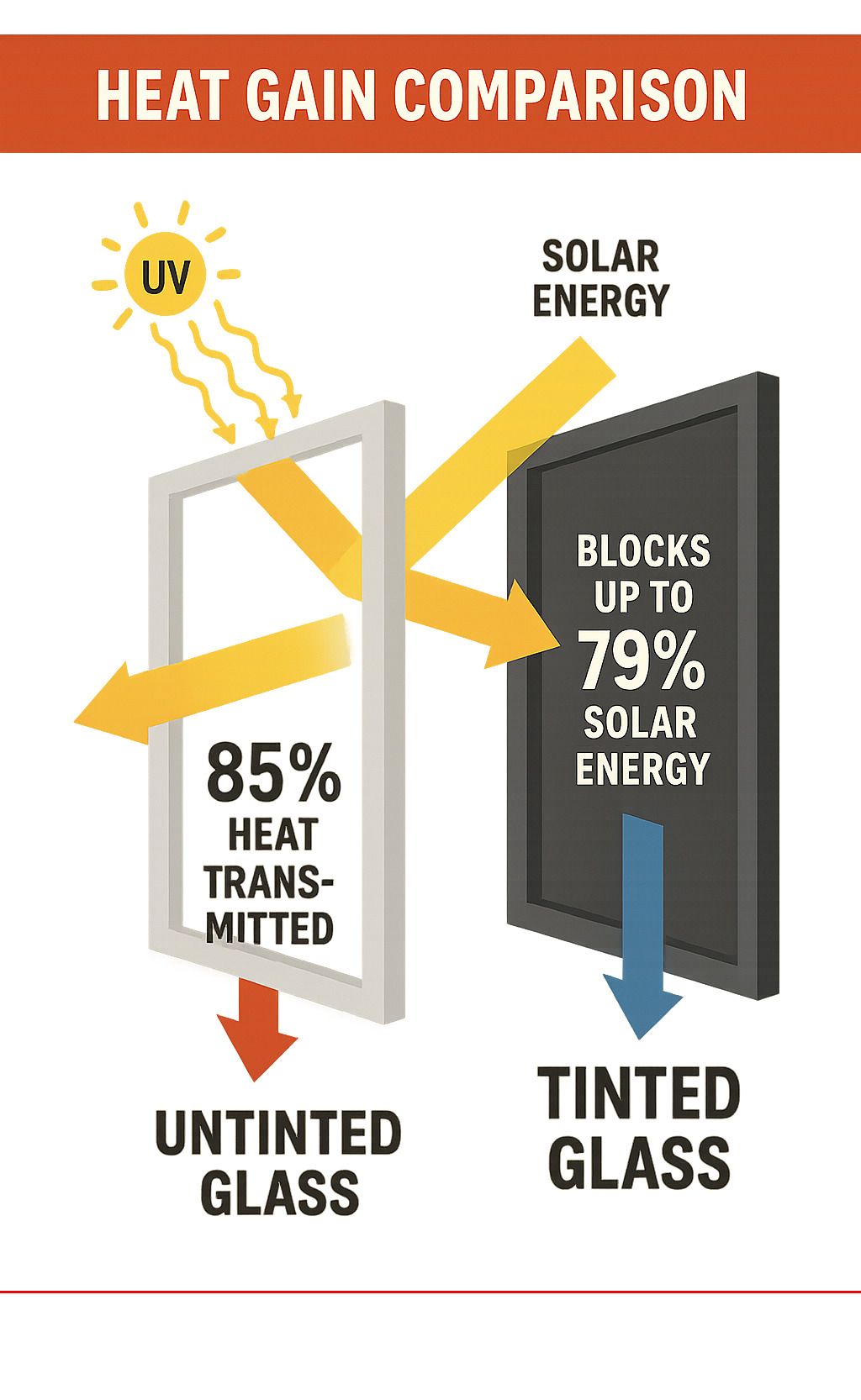
The real magic happens at the microscopic level. Modern window films contain nanoceramic particles so tiny they’re invisible to your eyes, yet incredibly effective at stopping infrared radiation – that’s the sneaky part of sunlight that turns your living room into a sauna on summer afternoons.
When sunlight hits your newly tinted windows, the film allows visible light transmission so you can still enjoy your view and natural brightness. Meanwhile, it’s busy with infrared rejection , bouncing that heat-generating energy right back outside where it belongs. And those UV rays that love to fade your favorite furniture? The film blocks up to 99% of them through strong glass adhesion that creates a permanent barrier.
The glare reduction is something you’ll notice immediately. No more squinting at your TV during afternoon movies or struggling to see your computer screen when the sun hits just wrong.
Scientific research on UV protection confirms what we see every day – quality window films provide reliable, year-round protection that works 24/7.
Film Technology Basics
Absorption is when the film soaks up solar energy and then safely releases it. Reflection happens when the film acts like a mirror, bouncing infrared energy back outside before it can enter your home.
Emissivity is the film’s ability to release absorbed heat to the outside air rather than passing it to your interior spaces. The shading coefficient tells us how much solar heat the film allows compared to plain glass. Professional-grade films typically achieve shading coefficients between 0.3 and 0.5, meaning they’re blocking 50-70% of unwanted solar heat gain.
Main Film Categories
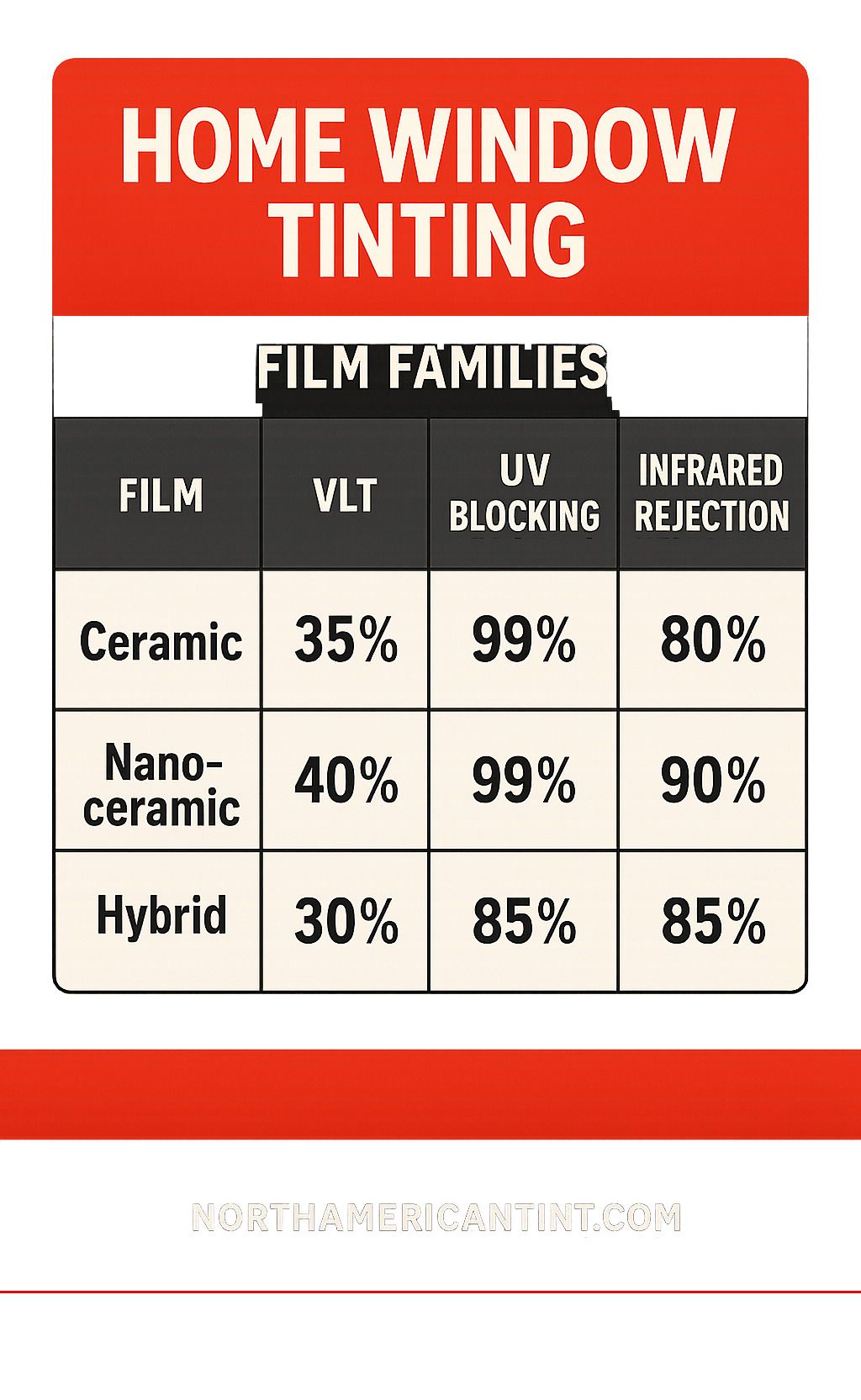
Dyed films use color-stable dyes to absorb solar energy. They’re budget-friendly and deliver solid glare reduction, though they don’t block as much heat as high-tech options.
Metallized films contain microscopic metal particles that reflect heat and UV rays efficiently. They perform excellently but can sometimes interfere with cell phone or GPS signals.
Ceramic films use non-metallic ceramic particles to achieve superior heat rejection without signal interference. They maintain crystal-clear visibility and won’t fade over time.
Nano-ceramic films represent cutting-edge technology. The particles are measured in nanometers – billionths of a meter. These films offer the ultimate combination of heat rejection, optical clarity, and long-term durability.
Hybrid films combine ceramic particles with other advanced materials to create films that balance exceptional performance with practical value.
Types of Residential Window Films & How to Choose
Picking the right window film for your home doesn’t have to be overwhelming. The key is understanding what matters most to you – whether that’s slashing energy bills, creating privacy, or protecting your floors from fading.
Your home’s location plays a huge role in this decision. In the Southeast, where summer heat can make your AC work overtime, solar control films that block 70-80% of heat gain are often the smart choice. But every window has different needs.
Those south and west-facing windows that turn your living room into a sauna every afternoon need heavy-duty heat rejection from premium ceramic films. Meanwhile, north-facing windows get gentler light and might do fine with lighter films focusing on UV protection.
Privacy films make sense for street-facing windows, bathroom windows, or anywhere you’d rather not have neighbors watching your morning routine. Decorative films let you add style while solving privacy issues.
For families concerned about security, safety films provide extra protection against break-ins and storm damage. And if you live near the coast, specialty films can help you be a good environmental neighbor.
More info about Solar Film dives deeper into which solar control options work best for different situations.
Privacy & One-Way Options for Home Window Tinting
One-way mirror films work amazingly during the day. They make your windows look like mirrors from outside while you enjoy crystal-clear views from inside. Since it’s brighter outside, people see their reflection instead of into your home.
But this privacy magic disappears at night. When you flip on lights and it’s dark outside, suddenly you’re on display. That’s why smart homeowners think about night privacy layering from the start.
Frosted static cling films solve this for spaces like bathrooms or bedrooms where you want consistent privacy. These films let natural light through while keeping private moments private, regardless of time.
The key is matching the film to how you actually live in your space. A busy street-facing living room has different needs than a backyard-facing kitchen window.
More info about Privacy Film walks you through all privacy options.
Solar Heat & UV Control Films (Home Window Tinting Essentials)
Solar control films are the real MVPs of home window tinting . These hardworking films tackle the two biggest problems sunny climates throw at your home: scorching heat and sneaky UV damage.
The heat rejection numbers are impressive – top-performing films can block up to 80% of solar heat gain. That translates to real comfort in rooms that used to be unbearable during summer afternoons. Your AC doesn’t have to work nearly as hard.
But the UV protection might be even more valuable long-term. Those 99% UV-blocking claims prevent thousands of dollars in damage to your furniture, artwork, and flooring. Once UV rays fade your hardwood floors or expensive sofa, there’s no going back.
Low-e coatings on newer windows work great with aftermarket films. Factory low-e acts like insulation keeping conditioned air inside, while solar films shield against heat getting in. Together, they create powerful energy efficiency.
Energy Star recognizes that window films are a smart part of whole-home efficiency upgrades. The glare reduction is an immediate quality-of-life improvement too.
Benefits and Types of Solar Film breaks down how different solar technologies perform in real homes.
Specialty Films Beyond Standard Home Window Tinting
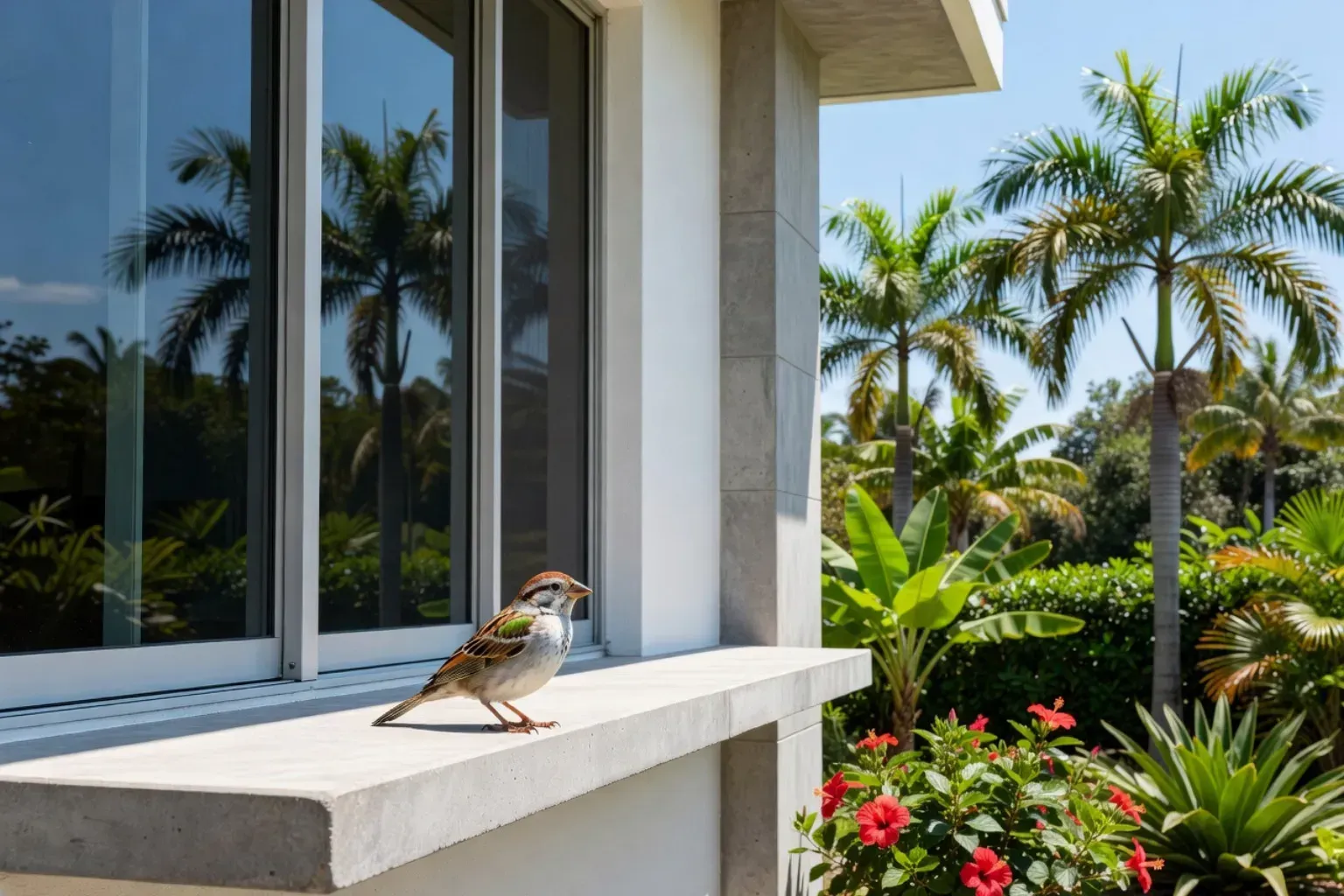
Bird-collision prevention films use subtle patterns that birds can see but are nearly invisible to humans. It’s a simple way to protect wildlife without sacrificing your view.
If you live near the coast, marine wildlife compliance might be required by local regulations. Sea turtle-friendly films reduce artificial lighting that can confuse nesting sea turtles.
Anti-intrusion laminates provide serious security by making windows much tougher to break through. Decorative patterns let you solve privacy issues while adding architectural interest.
Bird Safe Window Tint and Sea Turtle Window Film provide detailed information about these environmentally responsible options.
Professional Installation vs. DIY: Getting Home Window Tinting Right
When it comes to home window tinting , the choice between professional installation and DIY can make or break your project. I’ve seen too many homeowners attempt weekend installations only to end up with bubbled, peeling films that look worse than no tint at all.
Professional installers bring specialized tools that most homeowners don’t have access to. We’re talking about professional-grade squeegees, precise cutting tools, and filtered water systems. These tools, combined with years of experience, create results that are nearly impossible to achieve in your garage.
Contamination control is perhaps the biggest challenge for DIY installations. Even a single speck of dust can create permanent bubbles in your film. Professional installations happen in controlled environments where every surface is cleaned and the air is filtered.
The film types also matter significantly. Static-cling films designed for DIY use work fine for temporary applications, but they’re not the same high-performance adhesive films that professionals use for permanent installations. These professional-grade films require precise adhesive activation and expert positioning.
Here’s something many homeowners don’t consider: warranty coverage . Professional installations typically include both material and labor warranties that can last 10-15 years. DIY installations void most manufacturer warranties entirely.
Project timelines tell the whole story. What might consume your entire weekend can be completed by professionals in just a few hours with guaranteed results.
Step-by-Step Pro Install Process for Home Window Tinting
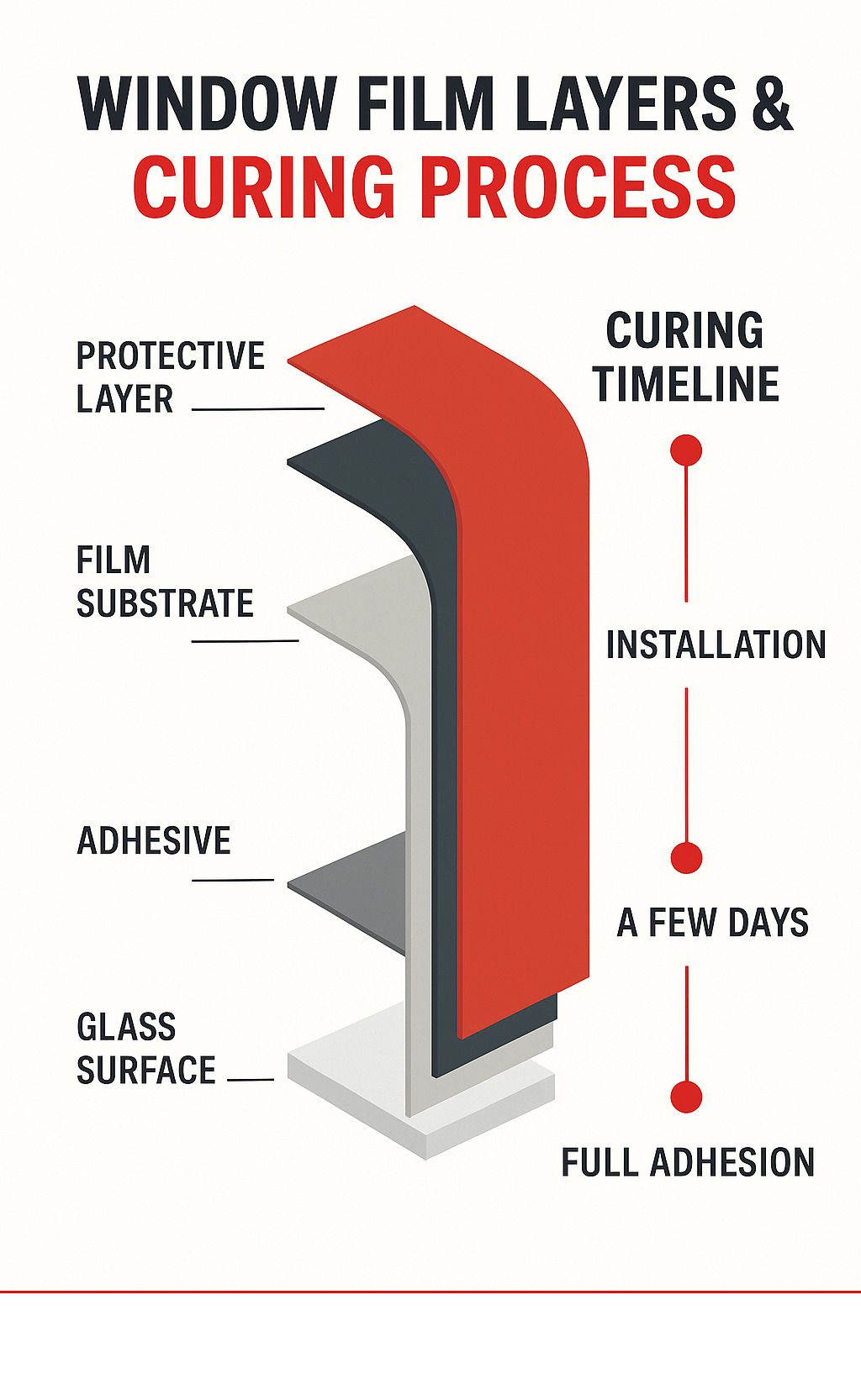
Professional home window tinting installation follows a precise sequence. Site preparation begins before any film touches glass – we protect your floors and furniture because even small projects can create mess if not handled carefully.
Glass cleaning goes far beyond weekly window cleaning. Professional installers use specialized solutions to remove every trace of dirt and microscopic particles that could interfere with film adhesion.
The wet application process involves spraying glass with carefully formulated slip solution that allows precise film positioning. This prevents premature sticking and enables adjustments for perfect alignment.
Edge trimming requires razor-sharp blades and steady hands from years of experience. Professional installers cut films to exact specifications, leaving appropriate gaps for thermal expansion while ensuring complete coverage.
Bubble chasing removes all air and water using professional squeegees and heat tools. This requires a delicate touch – too much pressure can scratch the film, too little leaves imperfections.
The curing process takes 30-60 days as adhesive reaches full strength and remaining moisture evaporates. During this period, your film may appear slightly hazy – this is completely normal.
Common Mistakes & Long-Term Maintenance
Dust specks are the bane of DIY installations. These particles get trapped during application and create permanent imperfections that can’t be removed without replacing the entire film.
Dry spots occur when installers don’t use enough slip solution or work too quickly. These create poor adhesion leading to eventual film failure.
Razor scratches happen with dull blades or improper cutting techniques. These scratches are permanent and can’t be polished out.
For maintenance , avoid ammonia-based cleaners that damage film adhesives. Use only soft microfiber cloths and mild cleaners. Quality films should last 15-20 years with this minimal maintenance.
When to Request a Professional Estimate
Large window expanses absolutely require professional installation due to complexity of handling big film pieces without wrinkles. High windows pose serious safety risks for DIY installers.
Tempered glass rules vary by location and can be confusing. Professional installers understand local building codes and manufacturer requirements. Local HOA regulations often restrict film types in surprising ways.
Estimate Request makes it easy to get professional guidance for your specific project.
Benefits & Potential Drawbacks of Home Window Tinting
Home window tinting delivers impressive benefits that go straight to your wallet and comfort level. Energy efficiency improvements alone can slash cooling costs by up to 50% in hot climates. When nearly half of your energy bill goes toward heating and cooling, those savings make a real difference.
The UV protection aspect blocks 99% of harmful UV rays , essentially putting the brakes on that frustrating fading process happening to your furniture, carpets, and artwork. Think of it as giving your interior investments a much longer, healthier life.
Glare relief transforms rooms that used to be unusable during certain times of day. Privacy improvements give you back the comfortable feeling of being in your own home. One-way films let you maintain your view while keeping prying eyes from seeing inside during daylight hours.
\
Fairness requires mentioning potential drawbacks. Some films create exterior reflectivity that might catch neighbors’ attention – though modern ceramic films minimize this effect. Night visibility can be slightly reduced with darker films, but this is usually minimal.
Tempered glass warranty considerations deserve attention since some window manufacturers have specific policies about aftermarket films. Professional installers know exactly how to steer these requirements.
Scientific research on energy savings backs up what we see in real homes – window films make a meaningful contribution to whole-home efficiency.
Energy Efficiency & Comfort Gains with Home Window Tinting
Heat rejection is where the magic happens for energy savings. By blocking 70-80% of solar heat gain before it enters your home, films dramatically reduce AC workload. Your system doesn’t have to fight against blazing afternoon sun anymore.
Thermal insulation properties create more consistent indoor temperatures. Consistent indoor temperatures eliminate annoying hot spots that made certain areas practically unusable.
Privacy Day & Night: What Home Window Tinting Can (and Can’t) Do
The one-way effect of reflective films works beautifully during daylight when there’s more light outside than inside. This creates that mirror effect giving you privacy while preserving your view.
Interior lighting strategies can help extend privacy into evening hours. Using softer lighting and being strategic about which rooms you illuminate helps maintain privacy after sunset.
Dual-reflective films offer the smartest balance for homeowners wanting maximum privacy without sacrificing nighttime visibility.
UV Protection & Furnishing Preservation via Home Window Tinting
UV radiation causes 40% of fading damage to interior furnishings. By blocking 99% of UV rays, quality window films eliminate the biggest single threat to your furniture and flooring.
Skin health benefits are significant. UV exposure through untreated glass contributes to skin aging and increases cancer risk. Professional window films provide protection equivalent to SPF 285 sunscreen .
Art and flooring longevity improves dramatically with proper UV protection. Hardwood floors maintain their color, rugs keep vibrant patterns, and paintings preserve their beauty for decades longer.
Frequently Asked Questions about Home Window Tinting
How long does residential window film last?
When you invest in home window tinting with quality materials and professional installation, you’re looking at 15-20 years of reliable performance . That’s quite a long time!
The lifespan comes down to three factors: film quality, installation quality, and environmental conditions. Ceramic and nano-ceramic films are the marathon runners of the window film world – they resist fading and hold up much better than older dyed films.
At North American Tint, we’ve returned to homes where original films from the 1990s are still doing their job. Today’s films offer much better technology and performance, but it’s reassuring to know professional-grade materials are built to last.
The key to getting those full 20 years? Starting with quality 3M or Solar Gard films and having them installed by professionals who know what they’re doing.
Will tinting make my rooms too dark?
This is the most common worry we hear, and it’s completely understandable. Nobody wants to feel like they’re living in a cave! The good news is that modern window films are incredibly sophisticated – they can block 70% of heat while still letting 70% of visible light shine through.
Ceramic films are particularly good at this – they’re selective about what they block, stopping heat and glare while welcoming natural light you love.
The secret is choosing the right Visible Light Transmission (VLT) percentage for each space. Your living room might get a 50-70% VLT film that keeps things bright, while your bedroom could go darker for better sleep quality.
We spend time with homeowners understanding how they use each room and their lighting preferences. Home window tinting should make your spaces more comfortable, not less enjoyable.
Can window tint be removed or replaced easily?
Professional window films can be removed , though it’s not a weekend DIY project. The process involves heat, special solutions, and patience to soften adhesive and remove everything cleanly without scratching glass.
Here’s the reality: removal is labor-intensive and typically costs 50-75% of a new installation . It’s doable, but not something you’d want to do on a whim.
Static-cling films come off easily without leaving residue, making them perfect for renters. But these are designed for temporary use and don’t offer the same performance as permanent adhesive films.
Most film replacement happens because the original film has failed prematurely or homeowners want to upgrade to newer technology.
The bottom line? Professional adhesive films are designed for permanent installation . They’re meant to be your long-term comfort solution.
Conclusion
Making your home more comfortable shouldn’t be complicated, and home window tinting proves that simple solutions are often most effective. One upgrade that cuts cooling costs, protects furniture from fading, reduces glare, and gives you privacy during the day. It’s like getting four home improvements for the price of one.
The window film industry has come a long way from those dark, reflective films you might remember. Today’s ceramic and nano-ceramic films are practically invisible while delivering outstanding performance. You get all the comfort benefits without your home looking like a commercial building.
What makes the difference is professional installation with quality materials. At North American Tint, we focus on 3M and Solar Gard products – these aren’t just films, they’re engineered solutions that perform consistently in our hot, humid climate.
After helping families throughout Southeast Georgia and Northeast Florida for over a decade, we’ve seen how the right window film transforms daily life. Parents tell us their kids can finally play games in the afternoon without squinting. Homeowners find they can use their sunrooms year-round. And everyone loves seeing those lower energy bills.
The best part? Once your films are professionally installed, you can basically forget about them. Quality window films require almost no maintenance while delivering decades of reliable performance. It’s the kind of home improvement that keeps working behind the scenes, making your life better every single day.
Ready to see what home window tinting can do for your home? Our team at North American Tint brings years of experience and a commitment to getting every installation right the first time. Learn more about our approach or request your personalized estimate today.
Contact North American Tint for expert home window tinting that delivers the comfort, energy savings, and peace of mind you deserve. We’re here to help you choose the perfect films and ensure they’re installed with the precision that makes all the difference.