
Sea Turtle Tint
How does this film protect sea turtle hatchlings?
It minimizes artificial light that misleads hatchlings. This helps them navigate toward the ocean by following the moon's natural brightness instead of building lights.
What are the legal light transmittance standards?
Tints must meet a 45% or less light transmittance standard. This ensures coastal property owners remain compliant with Florida Fish and Wildlife Conservation Commission guidelines.
When is the most critical time for this protection?
Protection is vital during nesting season from May to October. Beyond conservation, these films block harmful UV rays to prevent the fading of your interior fabrics and artwork.
Protecting the sea turtle population is a priority for environmentally conscious property owners and businesses along the NE Florida and SE Georgia Coast.
Window tinting is an effective way to help keep sea turtles safe by reducing artificial light pollution near coastal areas.
Window Tinting Recommended for Sea Turtle Safety
During sea turtle nesting season, from May 1 to October 31, residents and business owners near the coast can install window films to minimize artificial light exposure. This helps hatchlings navigate toward the ocean by following the natural brightness of the moon rather than being misled by artificial lighting.
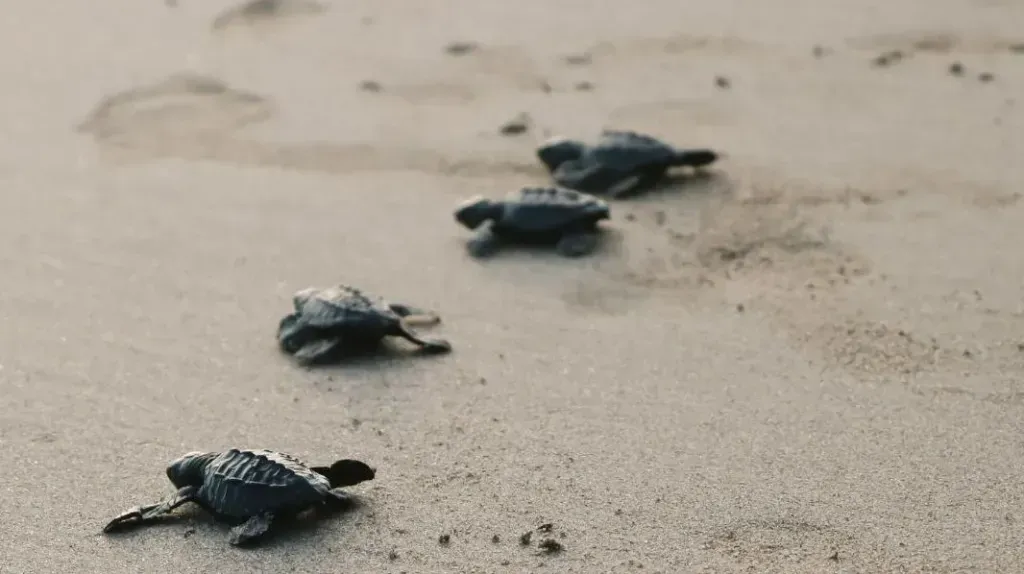
The Florida Fish and Wildlife Conservation Commission recommends reducing light pollution by applying window tints that meet the 45% or less inside-to-outside light transmittance standard. High-performance window films can be applied to various types of glass, ensuring compliance with local sea turtle conservation guidelines.
These films not only protect sea turtles but also help reduce glare, block harmful UV rays, and prevent damage to interior furnishings such as fabrics, wood floors, and artwork.
Advanced Window Tinting for Coastal Turtle Protection
High-quality window films are designed to control light transmission and reflection. These films are particularly effective for beachfront properties, where artificial lighting can disrupt sea turtle nesting behaviors.
By reducing light pollution, coastal communities can support conservation efforts and help protect these ancient marine species, which have existed for over 110 million years.
Helping You Comply with Coastal Conservation Guidelines
Property owners and businesses along the NE Florida and SE Georgia Coast can take proactive steps to protect sea turtles by utilizing window tinting solutions that meet conservation standards. In addition to protecting marine life, these window films offer energy efficiency, UV protection, and increased privacy.
Implementing these simple measures not only supports environmental efforts but also enhances the comfort and efficiency of coastal properties. By taking action, you can contribute to the well-being of sea turtles and maintain compliance with local wildlife protection regulations.
Contact North American Tint for Free Estimate on Sea Turtle Tint