

Our Blue Planet’s Lifeline: An Introduction to Marine Conservation
Marine life protection is the comprehensive effort to safeguard ocean ecosystems and species from human-caused threats like pollution, overfishing, and climate change. Key components include establishing Marine Protected Areas (MPAs), enacting conservation laws, protecting endangered species, restoring habitats, and reducing pollution.
Our oceans cover 70% of Earth’s surface and produce more than half the oxygen we breathe . Yet they face unprecedented threats. Over 8 million tons of plastic enter our oceans yearly, 90% of large predatory fish populations have been depleted, and about 50% of coral reefs —which support 25% of all marine species—have been lost.
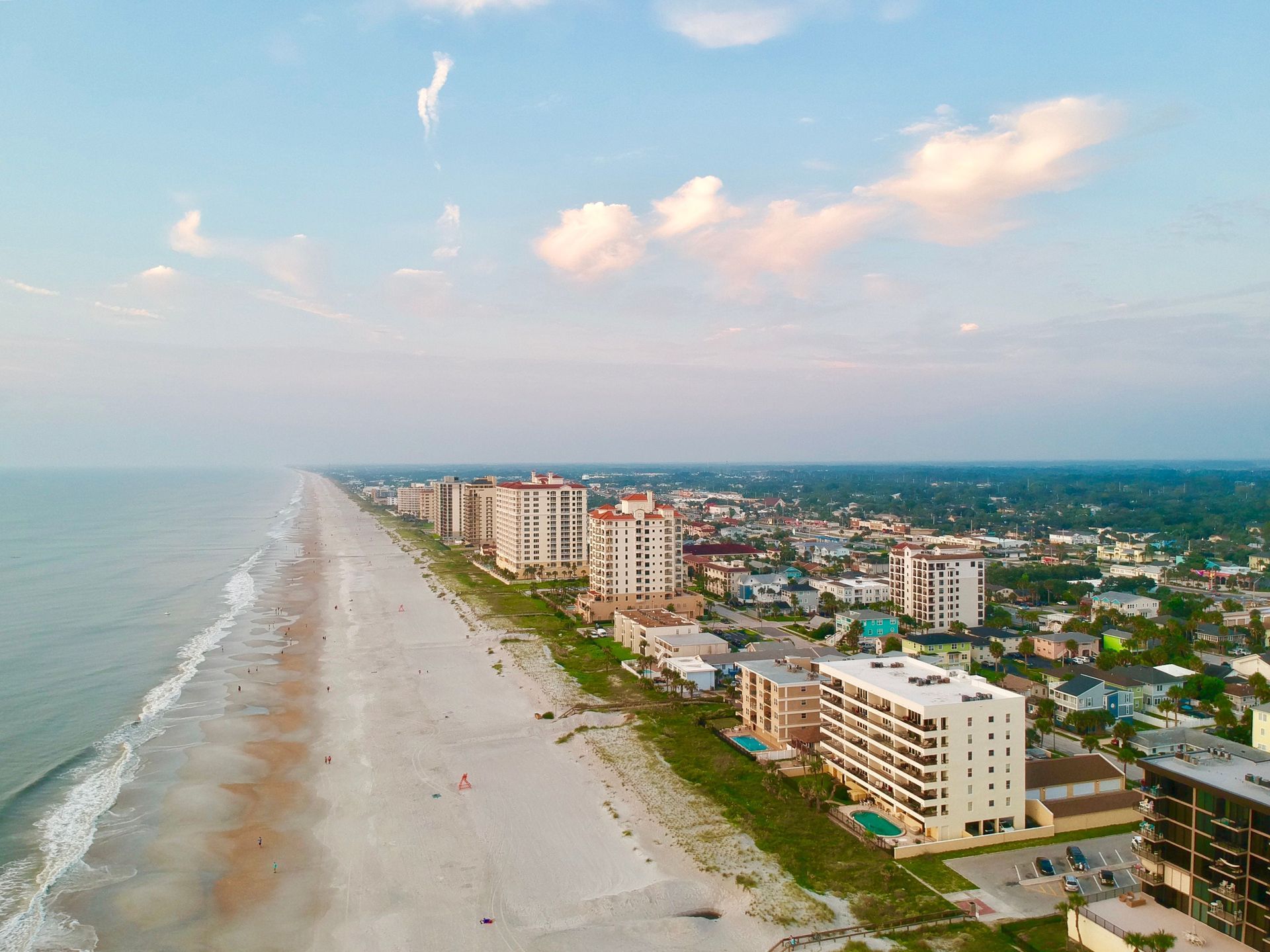
The crisis isn’t limited to the water. Coastal development creates light pollution that disrupts sea turtle nesting, causing hatchlings to become disoriented and reducing their survival. This highlights how protection efforts must include both ocean- and land-based solutions.
Currently, less than 8% of the world’s oceans are protected. Scientists agree we must protect at least 30% by 2030 to maintain healthy marine ecosystems for wildlife and human communities.
I’m Ian Noyes, and in the coastal window tinting industry, I’ve seen how residential choices impact marine life protection. Our team at North American Tint specializes in wildlife-friendly window films that protect sea turtles and other coastal species while enhancing home comfort and energy efficiency.
Why Our Oceans Are in Peril: The Biggest Threats to Marine Life
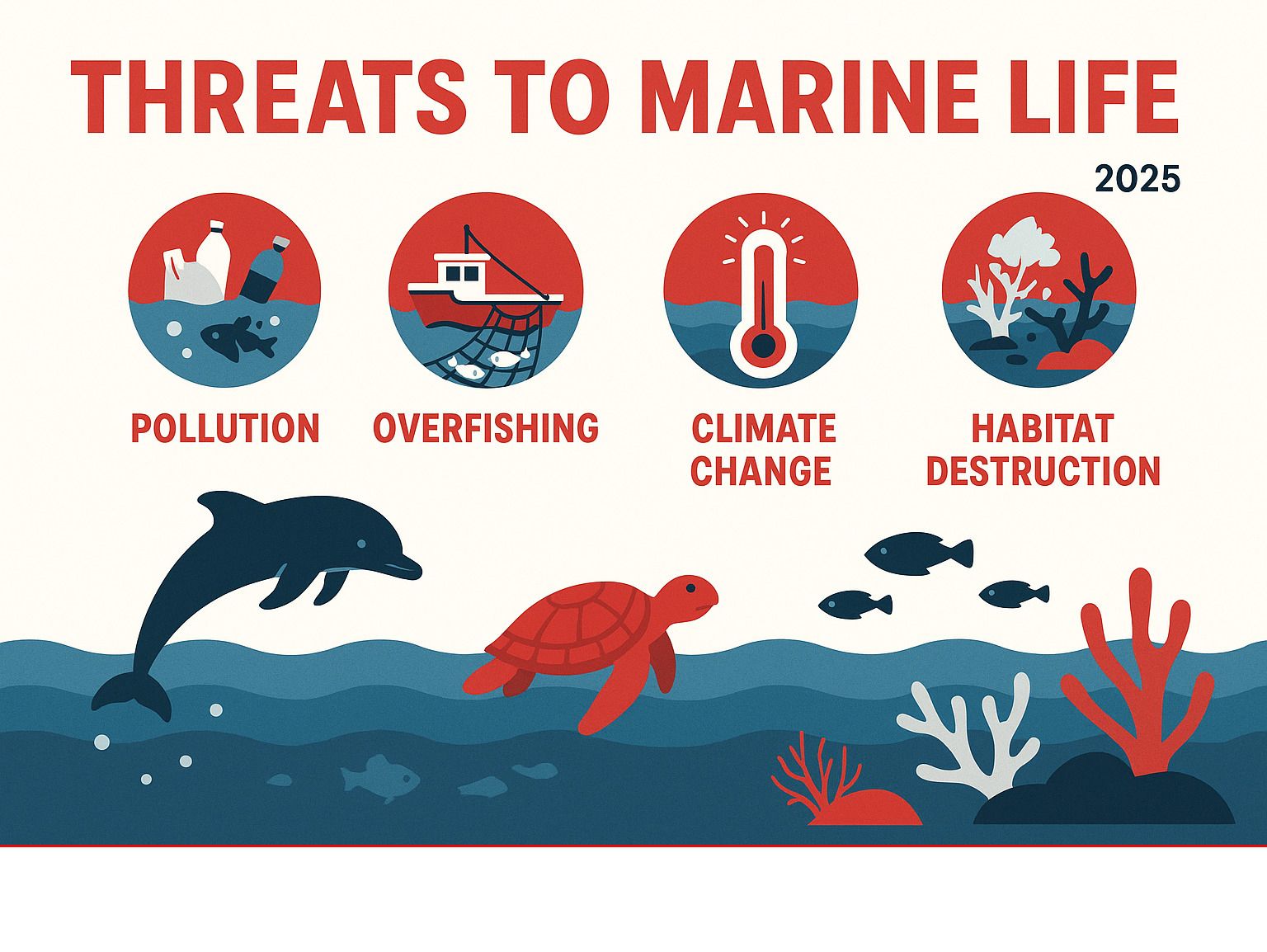
Our planet’s oceans are facing an unprecedented crisis. Human activities are putting immense pressure on marine ecosystems, threatening biodiversity and the health of our planet. Understanding these primary threats is the first step toward effective marine life protection .

One of the most pervasive threats is plastic pollution . Over 8 million tons of plastic are dumped into our oceans every year . This plastic breaks down into microplastics that are ingested by marine animals, causing internal injuries and starvation. These particles are found everywhere, from the surface to the deepest trenches.
Overfishing is another critical issue. High demand for seafood has led to the depletion of 90% of large predatory fish populations , disrupting ocean food webs. Many fisheries management practices focus on single species, failing to protect the wider ecosystem from the scale of fishing operations.
Habitat destruction from coastal development, dredging, and destructive fishing practices like bottom trawling obliterates vital habitats like coral reefs and mangrove forests, which are nurseries for countless species.
Climate change intensifies these threats. Rising ocean temperatures cause coral bleaching , leading to the loss of approximately 50% of coral reefs . Increased carbon dioxide absorption also causes ocean acidification , making it harder for organisms like corals and shellfish to build their shells and skeletons.
Finally, chemical runoff from agriculture, industry, and wastewater pollutes coastal waters, creating dead zones and introducing toxins into the food chain.
Understanding the Critical Need for Marine Life Protection
The consequences of these threats are dire, leading to widespread biodiversity loss and significant economic impact . Healthy oceans support millions of livelihoods and global economies, but when marine life declines, these pillars crumble. Food security is also at risk, as billions of people rely on the ocean for protein. Ocean health is linked to planetary health . The ocean produces over half our oxygen and is a crucial carbon sink. The depletion of 90% of large predatory fish and the loss of 50% of coral reefs are stark reminders of how vital it is to protect these interconnected ecosystems.
The Unseen Danger: Light Pollution’s Impact on Coastal Wildlife
While we focus on pollution in the water, a significant threat comes from land: light pollution . Artificial lighting from coastal development has devastating effects on nocturnal wildlife.
Sea turtles are particularly vulnerable. Females need darkness to find suitable nesting sites. After hatching, babies instinctively crawl toward the brightest horizon—naturally the moonlit ocean. However, artificial lights from beachfront properties disorient them, causing them to crawl inland toward roads or buildings. This misdirection leads to increased predation, exhaustion, and dehydration, drastically reducing hatchling survival rates.
This disruption affects many other nocturnal animals , leading to ecosystem imbalance . For those in coastal areas, understanding this impact is crucial for making choices that safeguard these creatures, such as considering specialized window films that reduce light spill. You can find More info about bird-safe window film on our website.
A Wave of Change: How We Protect Our Marine Environments
Despite daunting challenges, a powerful wave of change is sweeping the globe, driven by dedicated efforts to protect our marine environments. These initiatives range from establishing protected areas to fostering international cooperation.

A cornerstone of marine life protection is the establishment of Marine Protected Areas (MPAs) . These are designated zones where human activities are restricted to conserve marine ecosystems. The concept has gained traction worldwide, with examples like the California Marine Life Protection Act (MLPA) creating a comprehensive network of MPAs.
These MPAs are part of broader global initiatives and robust conservation policy . The international community has set ambitious goals, such as the 30×30 initiative to protect 30% of the world’s oceans by 2030 . While only about 7.9% of the world’s oceans are currently protected, momentum is building.
MPAs come in various forms with different levels of protection:
- No-take reserves : The strictest form, prohibiting all extractive activities like fishing and mining to act as vital refuges for marine life.
- Marine sanctuaries : Often larger areas allowing some regulated human activities, like tourism or sustainable fishing, to protect specific species or habitats.
- National parks and wildlife refuges : Many include significant marine components, protecting coastal and marine habitats.
- Other effective area-based conservation measures (OECMs) : Areas managed for long-term conservation outcomes, often through Indigenous-led initiatives.
What are Marine Protected Areas (MPAs)?
At their core, MPAs are tools for marine life protection , managed for the long-term conservation of nature. Their conservation goals include protecting biodiversity, enabling scientific research, allowing for habitat restoration, aiding species recovery, and creating sustainable use zones for activities like eco-tourism.
A global network of MPAs is crucial because marine life moves across boundaries. A connected network allows for species movement and greater resilience. However, designation alone isn’t enough; MPAs require active management and monitoring to be effective. With only 7.9% of oceans protected , there is an urgent need for more action.
Success Stories in Marine Conservation
Tangible results from marine life protection efforts worldwide offer hope. These success stories show that with collective action, we can restore our oceans to a healthier state.
One remarkable example is the recovery of sea otter populations in California . Through concerted conservation efforts, these marine mammals have made a significant comeback, which has had positive effects on kelp forest health.
Another powerful example is the Gwa̲xdlala/Nala̲xdlala (Lull/Hoeya) marine refuge in Canada, a partnership between the Mamalilikulla First Nation and the government. This illustrates successful Indigenous-led conservation , integrating traditional knowledge with modern science.
Australia’s Marine Parks Network also shows compelling success. Studies found that marine sanctuaries make coral reefs more resilient to bleaching and that protected areas have significantly more large fish and sharks compared to fished areas. This demonstrates how MPAs protect biodiversity and build resilience against climate change.
These tangible results provide a strong foundation for hope for the future of our oceans, proving that well-managed conservation efforts can foster thriving marine environments.
Your Role in Marine Life Protection: Actionable Steps from Your Home
The future of our oceans doesn’t just depend on government policies or massive conservation organizations. Marine life protection starts with each of us, right in our own homes. Every choice we make, from the products we buy to how we manage our energy use, creates ripples that reach far beyond our front doors.
Think about it this way: when millions of people make small changes, those changes become a powerful wave of positive impact. This is about embracing individual responsibility while making sustainable choices that fit naturally into our daily lives. It’s not about completely changing who you are – it’s about making thoughtful decisions that protect the marine life we all love.
Community action starts with individual action. When you reduce your carbon footprint by using energy-efficient appliances or switching to LED lighting, you’re helping combat climate change that threatens coral reefs worldwide. Water conservation might seem unrelated to ocean health, but excessive water usage can contribute to wastewater discharge that carries pollutants directly into marine ecosystems.
Here are some simple yet impactful ways we can all contribute to healthier oceans:
- Reduce single-use plastics by carrying reusable bags, water bottles, and saying no to plastic straws
- Choose sustainable seafood by looking for responsible fishing certifications
- Participate in beach cleanups to directly remove harmful debris from coastal environments
- Conserve water by taking shorter showers, fixing leaks, and using water-efficient appliances
- Reduce energy waste through efficient lighting, proper insulation, and mindful consumption
- Dispose of waste properly by recycling correctly and handling hazardous materials responsibly
Over 8 million tons of plastic enter our oceans every year. When you choose a reusable water bottle over single-use plastic, you’re directly reducing this staggering number. When you fix that leaky faucet, you’re preventing unnecessary wastewater that could carry pollutants to coastal waters.
Shielding the Shoreline: How Coastal Homes Affect Sea Turtles
If you’re lucky enough to live along the coast, your home has a special connection to marine life that you might not even realize. This connection often comes through something we rarely think about: light pollution .
During turtle nesting season , typically from May through October, female sea turtles emerge from the ocean under cover of darkness to lay their eggs on sandy beaches. These ancient mariners are incredibly sensitive to light and seek out dark, quiet stretches of coastline for their nesting rituals. Bright lights from beachfront properties can completely disrupt this natural behavior, causing them to abandon nesting attempts or choose less suitable locations.
But the real tragedy happens when the babies hatch. After spending 50 to 70 days developing in their sandy nests, hatchlings emerge with a powerful instinct to crawl toward the brightest horizon. In nature, this would be the moon and stars reflecting off the ocean’s surface, guiding them safely to the water.
However, artificial lights from homes, streetlights, and businesses create a much brighter glow inland. This leads to hatchling misorientation , where these tiny creatures crawl away from the life-giving ocean toward roads, parking lots, or residential areas. It’s heartbreaking to imagine these vulnerable babies struggling in the wrong direction when they should be swimming toward their ocean home.
This misdirection has devastating consequences. Misoriented hatchlings face increased predation from birds, crabs, and other predators as they remain exposed on land for dangerous lengths of time. They also suffer from exhaustion and dehydration, dramatically reducing their survival chances. This contributes to declining populations of these already endangered species.
The role of beachfront properties in this crisis is significant, but it’s not impossible. While we cherish our ocean views and comfortable lighting, our choices can inadvertently harm the very wildlife that makes coastal living so magical. Understanding this impact is the first step toward becoming part of the solution.
A Clear Solution for Marine Life Protection: Specialized Window Films
At North American Tint, we’ve found a way to help coastal homeowners protect marine life without sacrificing the comfort and beauty of their homes. Our specialized window films offer a clear solution that addresses light pollution while enhancing your living space.

Our professional installation of advanced films specifically addresses the light pollution problem that affects sea turtles. These films are designed with carefully calibrated visible light transmittance properties that significantly reduce the amount of interior light spilling outward from your home. The quality of our coatings ensures they emit minimal light in the amber spectrum, which is particularly disruptive to sea turtle navigation systems.
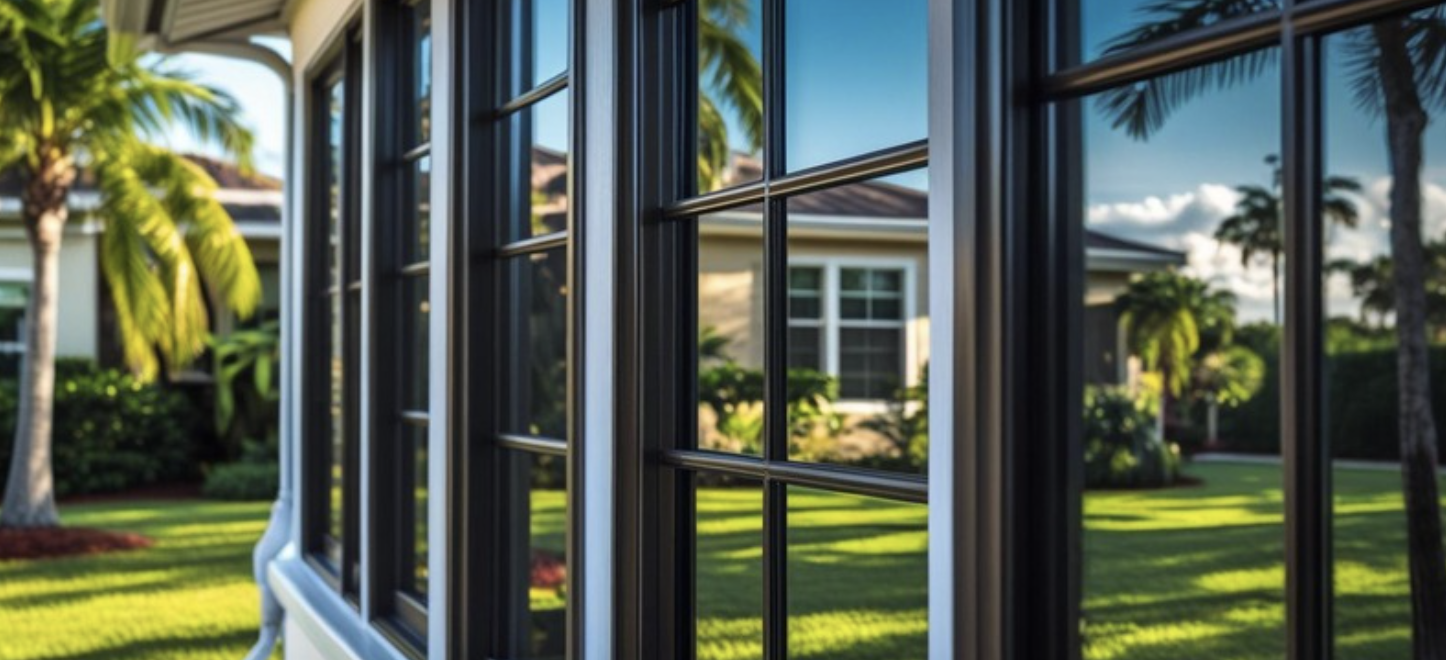
What makes our films truly special is their non-reflective exterior surface. Unlike regular windows that can create confusing light patterns, our films minimize these disruptions while still allowing you to enjoy your stunning ocean views . You can still see the sunrise over the water and watch dolphins play in the waves, but your home won’t be sending confusing signals to nesting turtles or their hatchlings.
The benefits extend far beyond protecting wildlife . These specialized films deliver exceptional energy efficiency by blocking solar heat, which can significantly lower your cooling costs during hot coastal summers. They also provide superior UV protection , blocking up to 99% of harmful ultraviolet rays that can damage your skin and fade your furniture, artwork, and fabrics.
Our professional application ensures a flawless finish that maximizes both the protective and aesthetic benefits of these advanced films. We take pride in the quality of our installation process, ensuring that every film performs optimally for years to come.
By choosing these films, you’re making a direct, positive impact on marine life protection from the comfort of your own home. It’s a simple, effective way to contribute to the well-being of sea turtles and other coastal wildlife while enhancing your living space. You can find more info about sea turtle window film on our website.
This is how individual action creates meaningful change. When coastal homeowners choose wildlife-friendly window films, they’re not just protecting their homes – they’re helping ensure that future generations of sea turtles can continue their ancient journey from nest to ocean.
The Future of Our Oceans: Long-Term Goals and Challenges
The path forward for marine life protection is both promising and challenging. While we’ve made significant strides in understanding and protecting our oceans, the work ahead requires sustained commitment, innovative solutions, and unprecedented global cooperation.
The 30×30 initiative represents one of our most ambitious goals – protecting 30% of the world’s oceans by 2030. Currently, only 7.9% of our oceans have protected status, so this target demands rapid expansion of Marine Protected Areas worldwide. But here’s the thing: it’s not just about drawing lines on maps and calling it a day.
One of the biggest headaches facing marine conservation is the problem of “paper parks” – MPAs that exist on paper but lack real protection. These areas may look great in government reports, but without proper funding, staffing, or enforcement, they’re essentially useless. Illegal fishing boats still operate, pollution continues to flow in, and wildlife remains vulnerable. It’s like having a security system that’s never turned on.
Enforcement issues plague even well-intentioned conservation efforts. The ocean is vast, resources are limited, and monitoring every protected area is incredibly challenging. Many countries struggle to patrol their waters effectively, especially in remote locations where violations are most likely to occur.
Climate change resilience adds another layer of complexity to long-term ocean protection. As waters warm and currents shift, marine species are literally moving house. A perfectly designed MPA might protect an area where certain fish used to live, but if those fish have migrated hundreds of miles away due to changing temperatures, the protection becomes less effective. This means we need to think dynamically about conservation, creating flexible networks that can adapt as ecosystems change.
International cooperation becomes essential when dealing with the high seas – those vast areas of ocean that don’t belong to any single country. The recent High Seas Treaty marks a breakthrough in this area, providing a framework for protecting these international waters. This agreement is crucial because marine life doesn’t respect political boundaries, and many species migrate across entire ocean basins.
Scientific monitoring forms the backbone of effective ocean protection. We need continuous data collection to understand how our conservation efforts are working and how marine ecosystems are responding to both protection and environmental changes. This ongoing research helps us adjust our strategies and improve our approach over time.
Despite these challenges, there’s genuine reason for hope. The growing global awareness of ocean health, combined with advancing technology and increasing political will, creates opportunities we’ve never had before. From satellite monitoring systems that can track illegal fishing to community-based conservation programs that engage local populations, we’re developing new tools for ocean protection.
For homeowners, particularly those in coastal areas, every action counts toward these larger goals. Simple choices like reducing energy consumption through efficient home improvements contribute to the broader fight against climate change. You can find More info about residential window film on our website, which can help reduce your home’s energy footprint while improving comfort.
The future of our oceans depends on connecting these individual actions with larger policy initiatives, creating a comprehensive approach to marine life protection that works at every level.
Conclusion: Every Action Counts for a Healthier Ocean
As we’ve journeyed through the complex world of marine life protection , one truth emerges clearly: our oceans face unprecedented challenges, but they’re not impossible. From the staggering 8 million tons of plastic dumped into our waters annually to the subtle yet devastating effects of coastal light pollution on sea turtle hatchlings, the threats are real and urgent.
Yet there’s genuine reason for hope. The success stories we’ve witnessed – from California’s recovering sea otter populations to Indigenous-led conservation efforts in Canada – prove that dedicated action works. When communities, governments, and individuals unite with a common purpose, remarkable recovery is possible.
The future of our oceans depends on this collective effort that weaves together both policy and personal action . Every time you choose a reusable water bottle over single-use plastic, support sustainable seafood, or participate in a beach cleanup, you’re casting a vote for healthier marine ecosystems. These individual choices, multiplied across millions of people, create the groundswell of change our oceans desperately need.
Sustainable living isn’t just an environmental buzzword – it’s a practical approach to recognizing our deep connection to the sea. Whether you live directly on the coast or hundreds of miles inland, your daily decisions ripple outward, eventually touching those vast blue waters that produce the oxygen we breathe and regulate our planet’s climate.
For those of us in coastal communities, this connection is even more immediate. Our homes can either contribute to the problem or become part of the solution. That’s where North American Tint steps in with a practical way to make a difference. We provide professionally installed, high-quality window films designed to protect marine life while enhancing your home’s comfort and energy efficiency.
Our specialized sea turtle-friendly films use advanced coatings that significantly reduce light pollution without compromising your beautiful ocean views. The professional application ensures these films perform exactly as intended – creating a barrier that helps protect nesting turtles and hatchlings while still allowing you to enjoy your coastal lifestyle.
Our experienced team, serving customers from our St. Augustine Office, understands that protecting marine life doesn’t mean sacrificing comfort or style. Our films also provide excellent energy efficiency and UV protection, creating a win-win situation for both your family and the environment.
The path forward is clear. We need continued expansion of Marine Protected Areas, stronger international cooperation, and yes, the collective power of individual action. When we combine large-scale policy changes with millions of personal choices – from the products we buy to the window films we install – we create an unstoppable force for ocean recovery.
We have genuine hope for the future because we’ve seen what’s possible when people care enough to act. Our blue planet’s lifeline depends on all of us working together, making conscious choices, and never underestimating the power of individual action multiplied across communities.
Ready to make your home part of the solution? Learn how our sea turtle window film can help protect our coastal ecosystems while enhancing your daily comfort and energy savings.