
Beat the July Heat: A Florida Homeowner's Guide to Cooler Rooms
July in Northeast Florida is no joke. The heat index regularly pushes past 100 degrees, the humidity makes everything feel heavier, and your air conditioning runs like it's training for a marathon. If you've lived here long enough, you've accepted that summer is going to be hot. But that doesn't mean you have to accept an uncomfortable home and sky-high energy bills.
After years of helping homeowners across St. Augustine, Jacksonville, and the surrounding communities deal with Florida's summer heat, I've seen what works and what doesn't. Some solutions make a noticeable difference; others are just spinning your wheels. Here's what actually moves the needle when it comes to keeping your rooms cooler this July.
Start With the Biggest Heat Source: Your Windows
Most homeowners focus on their AC system when they think about cooling their home. That makes sense — it's the machine that produces cold air. But here's what a lot of people miss: your air conditioning system is only fighting the heat that's already inside your house. If you can reduce the amount of heat that gets in, your AC has less work to do and your rooms stay cooler naturally.
Windows are the number one entry point for solar heat in a Florida home. Glass lets in visible light, which is great for keeping your home bright and open. But it also lets in infrared radiation — the wavelength of sunlight that you feel as heat. On a July afternoon, your south- and west-facing windows are essentially radiators, pumping thermal energy into your rooms at a rate your AC struggles to counteract.
This is where residential window film changes the game. High-performance films like the 3M Prestige Series block up to 97% of infrared heat before it passes through your glass. The difference is immediate and dramatic. Rooms that used to be noticeably warmer than the rest of the house become comfortable, and your AC doesn't have to run nearly as hard to maintain the temperature you want.

I installed film on a home in Davis Shores last July, and the homeowner texted me the next day to say the room temperature dropped noticeably within hours. That's typical of what we hear. The heat reduction is something you can feel immediately, not something you have to wait weeks to notice.
Ceiling Fans Are Great — But They Don't Cool Air
I'm a fan of ceiling fans (no pun intended). They're cheap to run, they circulate air, and they make a room feel more comfortable. But it's worth understanding what they actually do and what they don't. A ceiling fan doesn't lower the temperature of a room. It creates a wind-chill effect on your skin that makes you feel cooler, but the room itself is the same temperature whether the fan is on or off.
That's fine when the room temperature is reasonable. But when your spare bedroom is 82 degrees at two in the afternoon because the windows are letting in unchecked solar heat, a ceiling fan is just blowing hot air around. You need to address the heat source first, and then the fan becomes a useful complement rather than the only line of defense.
The combination of window film and ceiling fans is actually really effective. The film keeps the room temperature manageable, and the fan enhances the perceived comfort beyond that. It's a one-two punch that works without cranking your thermostat down to 68 and watching your electric bill climb.
Blinds and Curtains Help — But at a Cost
Closing your blinds or drawing your curtains is the most common response to sun-related heat, and it does work to some degree. Blocking the light blocks some of the heat. But you're also blocking your view, your natural light, and the open feeling that makes a room pleasant to be in. You end up sitting in a dark cave with the lights on, which uses more electricity and defeats the purpose of having windows in the first place.
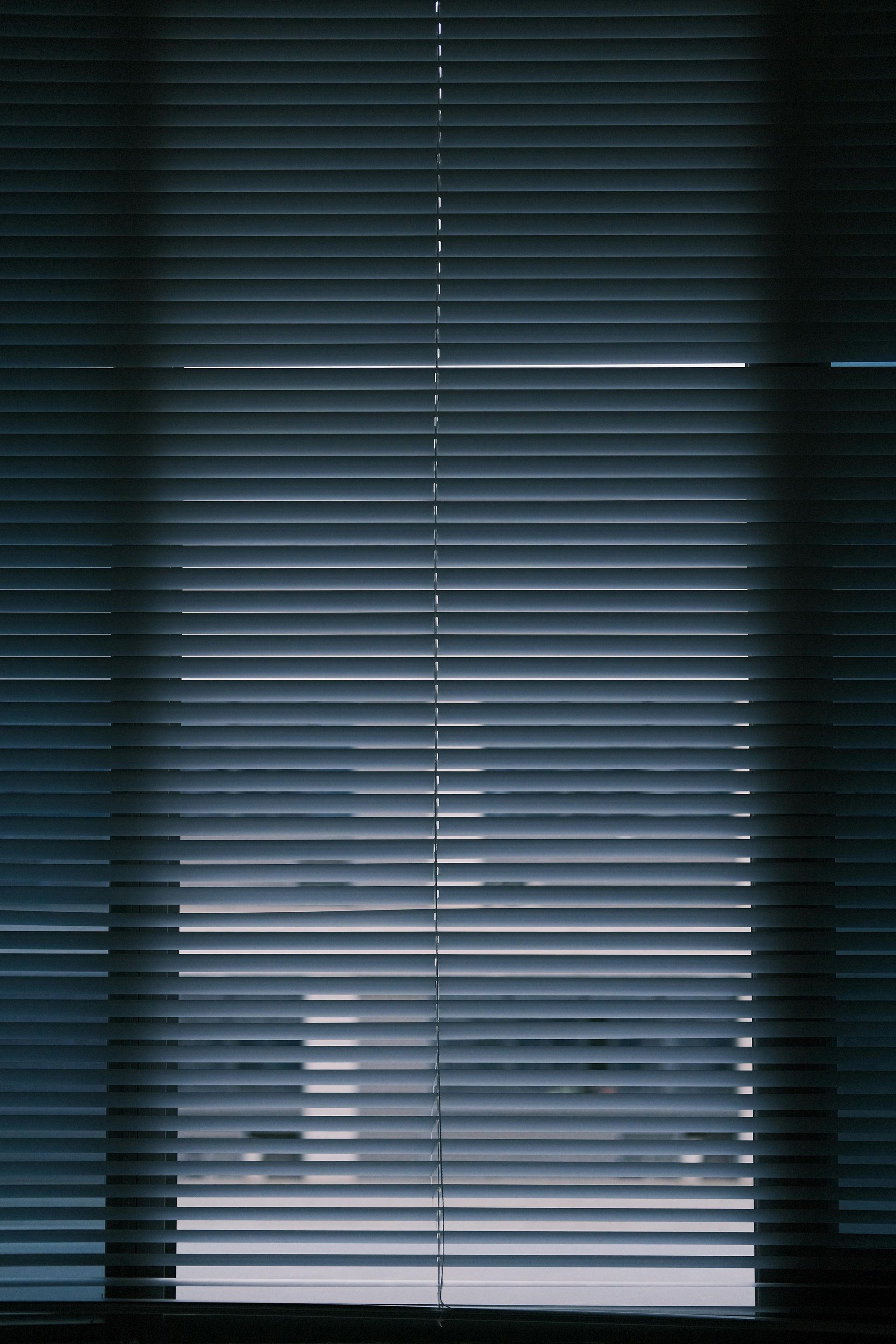
There's also a thermal efficiency issue. Standard blinds and curtains trap heat between the window covering and the glass, creating a pocket of hot air that radiates into the room. Reflective blinds do better, but they still don't address the fundamental problem: the solar energy is already through the glass and inside your home's envelope.
Window film works on the glass itself, rejecting heat before it enters the room. Your blinds can stay open, your room stays bright, and the temperature stays comfortable. Many of our customers tell me they stopped closing their blinds entirely after getting window film installed — they just don't need to anymore.
Your AC System Needs Help, Not Just More Effort
If your AC is struggling to keep up during July, the instinct is to assume something's wrong with the system. And sometimes there is — dirty filters, low refrigerant, aging equipment. But often the system itself is fine; it's just overwhelmed by the thermal load coming through your windows and walls.
Think of it this way: if someone kept opening the front door of your house while the AC was running, you wouldn't blame the AC for not keeping up. Windows without film are doing something similar on a smaller scale — they're a constant source of heat gain that your system has to work against all day long.
Reducing that heat gain with window film is like closing that proverbial open door. Your existing AC system can do its job more effectively because it's not fighting a losing battle against solar radiation. Some of our customers have been able to raise their thermostat setting by a few degrees after installing film and still feel more comfortable than before. That translates directly into lower energy bills.
Room-by-Room: Where Film Makes the Biggest Difference
Not every room in your house is equally affected by summer heat, and understanding where the problem is worst helps you prioritize. In my experience with Florida homes, these are the rooms that benefit most from window film during July.
West-facing rooms take the hardest hit. The afternoon sun is lower in the sky and more direct, which means more intense heat gain during the hottest part of the day. If your master bedroom, living room, or kitchen faces west, you're getting hammered from roughly 1 PM to sunset. Film on those windows makes an enormous difference.
Second-floor rooms run warmer because heat rises, and they're typically closer to the roof, which absorbs and radiates heat downward. Combine that with sun-facing windows and you've got rooms that can be significantly warmer than the ground floor. Film on second-story windows is one of the most impactful upgrades you can make.
Sunrooms and Florida rooms are often the most dramatic transformations. These rooms are designed to bring in light, which means they have more glass surface area and less insulation than any other room in the house. In July, they can be almost unusable without some form of heat control. Window film turns them back into the comfortable, light-filled spaces they were meant to be.
Make This the Summer You Fix the Heat Problem
Every July, homeowners across Northeast Florida deal with the same frustrations: rooms that are too hot, energy bills that are too high, and blinds that are always closed. Window film addresses all three of those problems permanently. It's not a seasonal fix or a band-aid — it's a long-lasting upgrade that works year after year.
If you've been putting this off, now's the time. We can usually schedule installations within a week or two, and the difference is immediate. Give us a call at (904) 580-7860 or book your free consultation online. We serve homeowners throughout St. Augustine, Jacksonville, Palm Coast, Ponte Vedra Beach, and all of Northeast Florida. As 3M and SolarGard Certified Installers, we'll help you beat the July heat for good.