
Solar Window Film for Florida Homes — Heat Rejection & UV Protection
What is solar window film?
It is a thin laminate layer applied to home windows that reduces heat, cuts glare, and blocks up to 99% of harmful UV rays.
Will it make my rooms too dark?
No. Modern solar films block heat and UV radiation efficiently while allowing optimal natural light to pass through clearly.
Does solar film reduce energy bills?
Yes. By rejecting solar heat during hot days, it lessens the load on your AC, noticeably lowering your monthly cooling costs.
Solar window film is designed to do one thing exceptionally well: reduce the amount of heat and UV radiation that enters your home through the glass. In Florida's climate, that means real, measurable comfort improvements — and lower monthly energy bills.

How Solar Film Works?
Standard glass lets in visible light, but it also admits infrared radiation (heat) and ultraviolet radiation (UV). Solar film applies a thin, optically clear coating to the interior surface of your glass that selectively reflects and absorbs those wavelengths — blocking heat and UV without significantly reducing natural light.
The result: your home stays cooler during the day, your HVAC runs less, and your interior furnishings are protected from sun damage.
What the Numbers Mean?
When evaluating solar film, these are the three performance metrics that matter most:
Total Solar Energy Rejected (TSER)
The percentage of total solar energy blocked by the film. A film with 60% TSER blocks 60% of the sun's total energy before it enters your home. Higher is better for heat control.
Visible Light Transmission (VLT)
The percentage of visible light that passes through. A film with 70% VLT lets in most of your natural light while still rejecting heat. Lower VLT = darker appearance.
UV Rejection
Most quality solar films block 99% of ultraviolet radiation. UV is the primary cause of fading in hardwood floors, fabrics, artwork, and furniture — blocking it extends the life of your interior significantly.
Solar Film vs. Other Window Film Types
Solar film is focused on heat and UV control. It's distinct from privacy film (adds opacity or frosting for privacy, may or may not include heat rejection), safety/security film (holds glass together on impact, may not have solar performance), and decorative film (aesthetic patterns or frosting, typically no heat rejection).
Many films combine functions — for example, a solar film can also be a safety film. North American Tint will recommend the right combination for your specific needs and windows.
Is Solar Film Right for Your Florida Home?
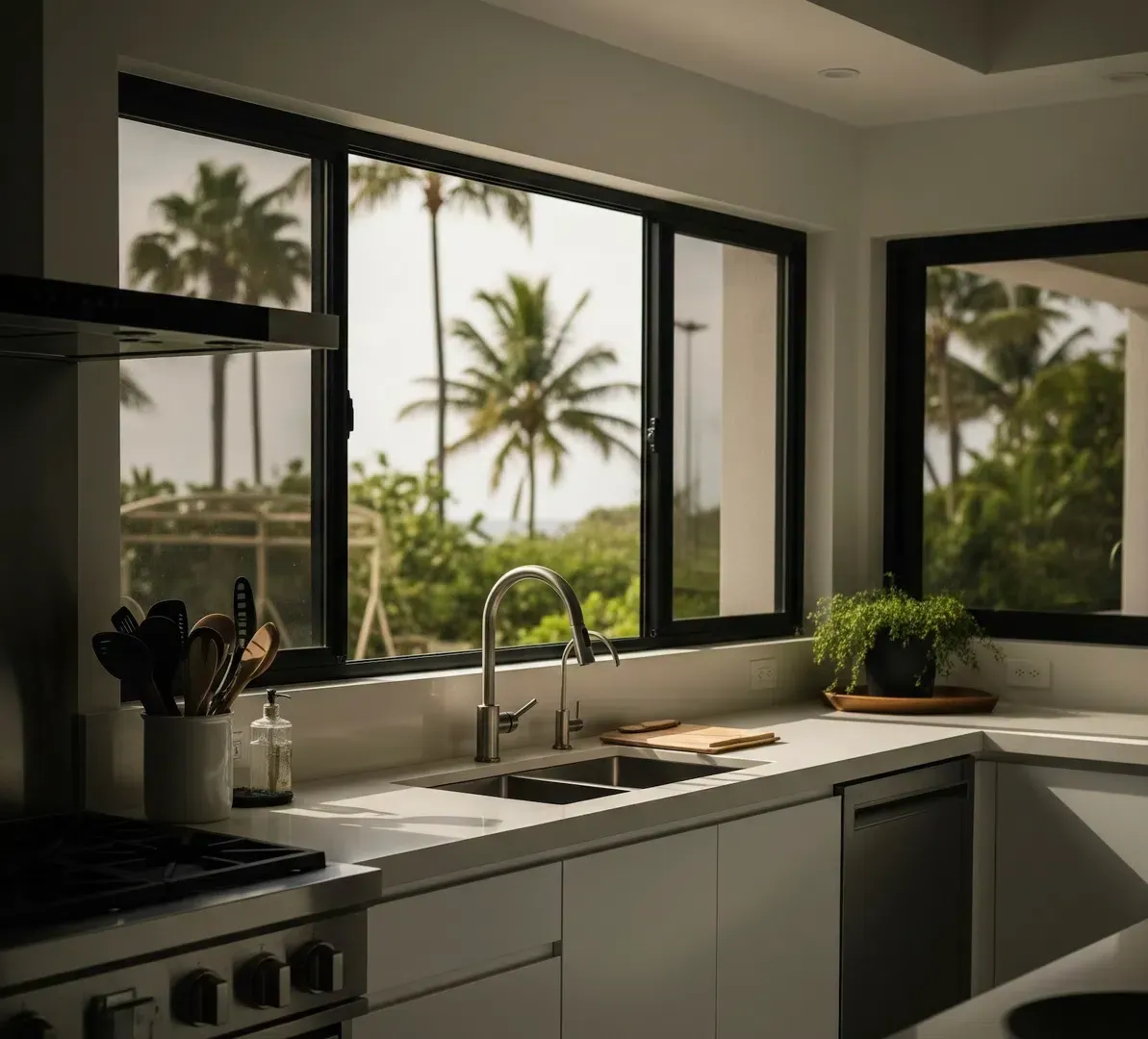
Solar film is particularly valuable in Florida because of the year-round sun intensity and high cooling costs. It's a good fit if you have south- or west-facing windows that overheat rooms in the afternoon, high monthly electric bills driven by air conditioning, fading furniture or flooring near windows, or a preference for natural light over blinds or blackout shades.
Get a Free Estimate in St. Augustine or Northeast Florida
North American Tint installs professional solar window film for homeowners across St. Augustine, Jacksonville, Palm Coast, and the surrounding areas. We'll assess your windows, show you film samples, and give you a written quote — no obligation.

Request a Free Quote
Contact North American Tint for a free estimate on Solar Gard window film installation at your St. Augustine or Northeast Florida home or business.