Window Tinting and HOA Rules: What Florida Homeowners Need to Know
If you live in a neighborhood with a homeowners association, you already know the drill. There are rules for your mailbox, rules for your landscaping, and yes — sometimes rules about what you can and can't do with your windows. I've had dozens of homeowners call me over the years asking the same question: "Can I even get window tinting if I have an HOA?"
The short answer is almost always yes. But there's a right way to go about it, and I've learned a few things after helping homeowners across St. Augustine, Ponte Vedra Beach, and Jacksonville navigate this process. Let me walk you through what you need to know before you schedule your installation.
Why HOAs Care About Window Film in the First Place
Homeowners associations exist to maintain a certain look and feel throughout a community. Their concern with window tinting usually comes down to one thing: appearance. They want homes to look uniform from the street, and some board members worry that window film will make houses look dark, mirror-like, or inconsistent with the neighborhood's aesthetic.
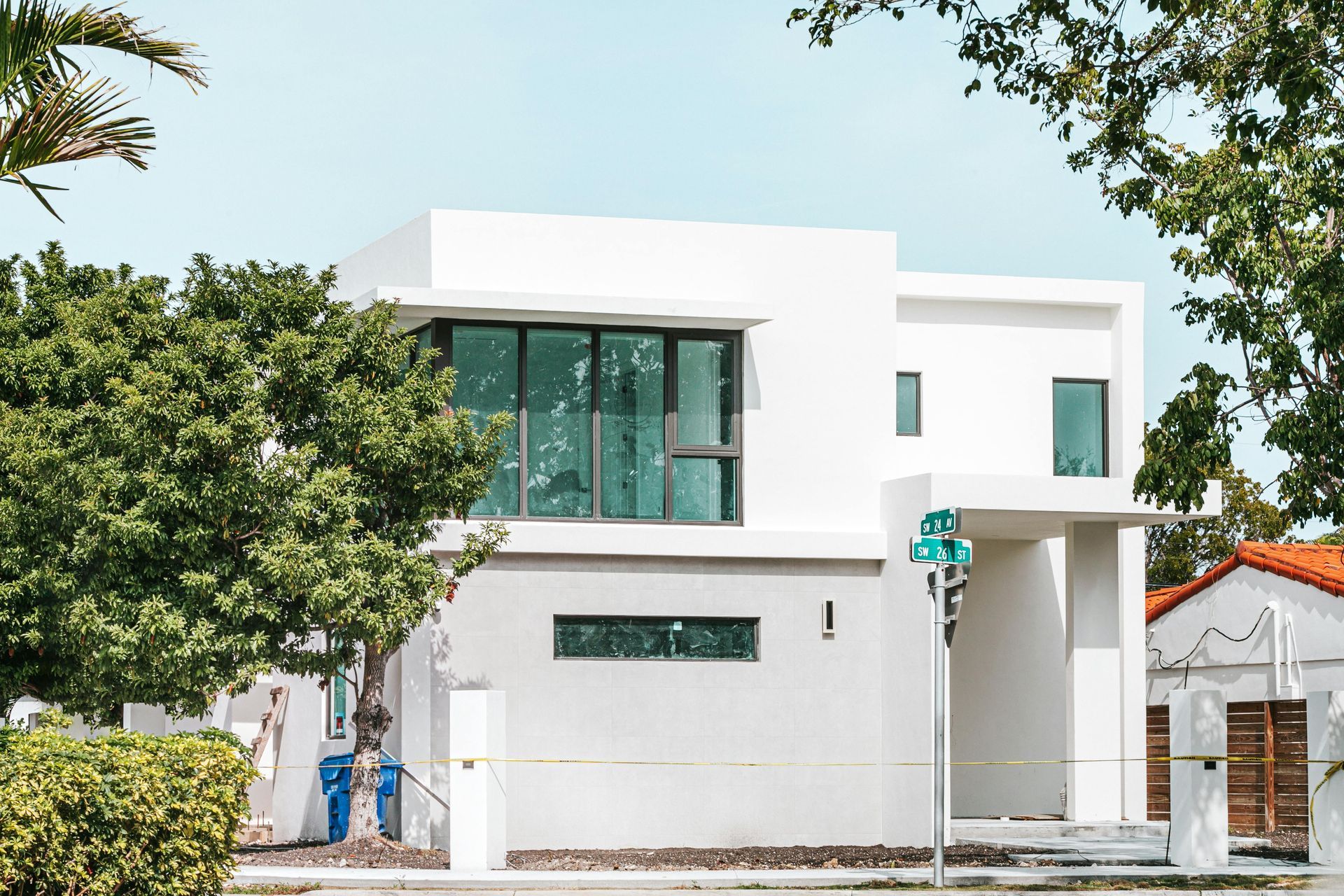
Here's what I tell homeowners who are nervous about this: modern residential window film doesn't look like the dark tint you see on car windows. The films we install from 3M and SolarGard are designed specifically for homes. Many of them are virtually invisible from the outside. You get all the heat rejection and UV protection without changing the look of your home in any noticeable way.
In fact, most of the time when I finish an installation, the homeowner's neighbors can't even tell the windows have been treated. That's a huge advantage when you're dealing with an HOA that's particular about curb appeal.
What Most Florida HOAs Actually Allow
I've worked with homeowners in communities all over Northeast Florida, from gated neighborhoods in Ponte Vedra to established subdivisions in Nocatee and World Golf Village. In my experience, the vast majority of HOAs have no specific prohibition against window film. Some don't mention it in their covenants at all, which generally means it's permitted.
Where you might run into restrictions is with highly reflective or mirrored films. Some HOAs specifically prohibit "reflective coatings" on windows because they can create glare issues for neighbors. That's a fair concern, and it's one reason we typically recommend ceramic or spectrally selective films for homes in HOA communities. These films block heat without creating a mirror effect.
A few of the more strict HOAs I've encountered require that any window modification maintain a "clear glass appearance" from the exterior. Again, this isn't a problem with today's technology. Films like 3M Prestige Series are designed to be nearly invisible while still blocking up to 97% of infrared heat and 99.9% of UV rays. Your windows look the same from the outside, but inside your home is dramatically cooler and more comfortable.
The bottom line is that most restrictions target the appearance of the film, not the concept of window film itself. And with the right product selection, appearance concerns disappear entirely.
How to Get HOA Approval Before Your Installation
Even if you're confident your HOA won't have a problem with window film, I always recommend going through proper channels before scheduling your installation. It saves headaches down the road and keeps you in good standing with your association. Here's the approach that works best.
Start by pulling out your community's CC&Rs — that's the covenants, conditions, and restrictions document you received when you bought your home. Search for any language about windows, glass, coatings, tinting, or exterior modifications. If there's nothing specific about window film, you're likely in the clear, but it still doesn't hurt to submit a formal request.
Most HOAs have an architectural review committee or a modification request form. When you submit your request, include the specific film you're planning to install, along with manufacturer specifications. We provide this documentation to our customers as a matter of course. It shows the visible light transmission percentage, the reflectivity level, and often includes photos of the film installed on similar homes.

I've also found it helpful when homeowners mention the practical benefits in their request — energy savings, UV protection for furniture and flooring, and improved comfort. Board members are homeowners too, and when they understand that window film actually protects and improves the home, they're usually supportive.
What If Your HOA Says No?
It's rare, but it happens. If your HOA initially denies your request, don't give up right away. In most cases, the denial comes from a misunderstanding about what modern window film looks like. Board members might be picturing dark, reflective film that changes the home's appearance.
This is where a sample can make all the difference. We can provide small film samples that you can bring to a board meeting or share with your architectural review committee. When they see and feel the actual product — and realize it's virtually invisible — objections usually melt away. I've personally attended board meetings with homeowners to answer questions, and I'm always happy to do that for our customers.
It's also worth noting that Florida law gives homeowners certain rights when it comes to energy efficiency improvements. While HOAs have broad authority over exterior appearance, they generally cannot prohibit modifications that are designed to improve energy efficiency, especially when those modifications don't alter the home's appearance. Window film falls squarely in that category.
The Best Window Films for HOA Communities
After years of working in HOA neighborhoods, I've learned which films work best when appearance is a priority. Ceramic window films are the gold standard for this situation. They use advanced ceramic particle technology to block heat without adding visible tint or reflectivity. From the street, your windows look exactly the same as your neighbor's untreated glass.
The 3M Prestige Series is probably our most popular choice for HOA communities. It rejects up to 97% of the sun's infrared heat and blocks 99.9% of UV rays, all while maintaining a bright, clear appearance from both inside and outside. There's no metal in the film, so you won't get that mirror look that some older films are known for.
SolarGard's Ecolux series is another excellent option. It offers similar performance with a neutral appearance that blends right in with clear glass. Both product lines come with manufacturer warranties, which gives homeowners and HOA boards additional confidence in the long-term appearance.
When I do a consultation at your home, I always bring samples of multiple films so we can hold them up to your actual windows and see how they look. That way, there are no surprises — and you have something concrete to show your HOA if they want to see it before approving.
A Quick Story About an HOA Win
Last year, I worked with a homeowner in a community just outside St. Augustine who was convinced her HOA would never approve window tinting. Her south-facing living room was unbearable in the summer — the furniture was fading, the AC was running constantly, and she could barely use the room after noon.
She submitted her request with the 3M Prestige specifications we provided, and the board approved it within two weeks. After the installation, she told me her energy bill dropped noticeably that first month. But here's the best part: two of her neighbors saw the results, asked her about it, and ended up getting their windows done too. The HOA didn't bat an eye because the homes looked exactly the same from the outside.
That's how it usually goes. Once one homeowner in a community gets window film and their neighbors see the benefits, word spreads. I've done entire streets in some neighborhoods because the results speak for themselves.
Ready to Talk About Your HOA Situation?
If you're in an HOA community and you've been putting off window tinting because you're not sure about the rules, let's have a conversation. I'm happy to review your CC&Rs, recommend the right film for your situation, and even help you put together your approval request. We've been through this process many times, and we know how to make it smooth.
Give us a call at (904) 580-7860 or request a free consultation online. We serve homeowners throughout St. Augustine, Ponte Vedra Beach, Jacksonville Beach, Palm Coast, and all of Northeast Florida. As 3M and SolarGard Certified Installers, we'll make sure you get the right film that keeps your HOA happy and your home comfortable.