Window Tinting for Historic Homes in St. Augustine
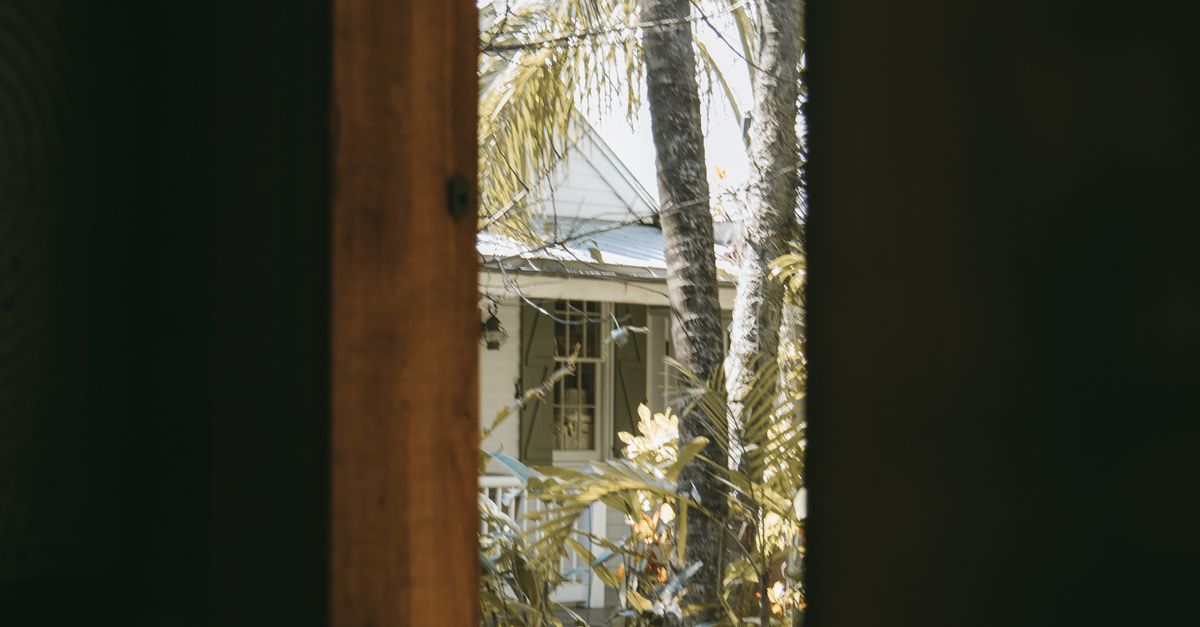
Working in St. Augustine means working around history. Every week, we get calls from homeowners who live in some of the most beautiful older homes in Florida — Flagler-era cottages, Spanish Revival bungalows, mid-century ranches in Lincolnville and the Abbott Tract. They all share the same problem: the original windows let in gorgeous light and terrible heat, and replacing them feels like betraying the character of the house.
I get that. When you own a piece of St. Augustine's history, the last thing you want is to slap on something that makes your 1920s bungalow look like a strip mall. The good news is that modern window film is designed to be invisible. It protects your home from the inside without changing anything about how it looks from the street.
The Unique Challenge of Older Windows
Historic homes in St. Augustine weren't built for the kind of year-round air conditioning we rely on today. Many have single-pane glass, which provides zero insulation and lets UV radiation pour in unchecked. Some have original wavy glass that's irreplaceable — you literally cannot buy new glass with the same character and imperfections that make antique windows special.
These older windows also tend to be larger than modern builders would use in the same space, because before AC became standard, architects designed homes to maximize airflow and natural light. That's charming and beautiful, but it also means more glass surface area absorbing heat and transmitting UV rays into your living space.
The typical modern solution — replacing old windows with new double-pane, Low-E units — is effective but comes with real trade-offs for historic homeowners. New windows can cost $500 to $1,200 per opening, the installation process risks damaging original trim and framing, and the result often looks noticeably different from the original. In designated historic districts, replacement windows may require approval from the local architectural review board, and some original windows simply can't be replicated.
Why Window Film Works for Historic Properties
Window film solves the performance problem without touching the window itself. We apply the film directly to the interior surface of the existing glass, which means the original windows stay exactly where they are. No construction, no demolition, no risk to irreplaceable materials. The entire process is reversible — if you ever wanted to remove the film, the window underneath is completely unaltered.
That reversibility matters a lot in historic preservation. The Secretary of the Interior's Standards for the Treatment of Historic Properties — which is the guideline most local preservation boards follow — emphasizes interventions that don't permanently alter historic materials. Window film fits squarely within that framework because it's an additive solution, not a replacement.
From a performance standpoint, the improvement is dramatic. A quality film from 3M or Solar Gard applied to a single-pane window can reject 50% to 70% of solar heat and block 99% of UV radiation. That single-pane window that was basically functioning as a magnifying glass suddenly performs closer to a modern insulated unit, without looking any different.
Navigating St. Augustine's Preservation Guidelines
If your home is in the HP (Historic Preservation) zoning overlay or within the boundaries of one of St. Augustine's historic districts, any exterior modification typically needs to go through the city's Historic Architectural Review Board (HARB). This is where window film has a significant advantage over window replacement.
Because most window films are applied to the interior of the glass and are virtually invisible from the exterior, they generally don't trigger the same level of review that replacing windows would. The appearance of your home from the street doesn't change. The window profiles, the original glass, the trim — everything stays the same.
That said, I always recommend homeowners in historic districts check with the city before any modification, even interior ones. We've worked with many homeowners who've gone through this process, and we're happy to provide product specifications and samples that can help demonstrate to a review board exactly what the film looks like once installed. In our experience, the response is usually positive because the board's primary concern is preserving the look of the district, and window film doesn't alter that.
Protecting What You Can't Replace
Here's something that keeps a lot of historic homeowners up at night: the sun is slowly destroying the interiors they've worked so hard to restore. Original heart pine floors, period-appropriate wallpaper, antique furniture, vintage textiles — all of these deteriorate under UV exposure. And in a home where a set of original pocket doors might be worth more than a new car, that deterioration isn't just cosmetic. It's a financial loss.
UV-blocking window film is essentially an insurance policy for your historic interior. By filtering out 99% of the ultraviolet radiation that causes fading and material breakdown, film dramatically extends the lifespan of everything inside your home. I've worked on homes in the Lincolnville district where the homeowners had just finished a two-year restoration of original plaster walls and millwork — for them, window film wasn't an upgrade. It was protecting a significant investment.
What to Expect from an Installation
Installing film on historic windows requires more care than a typical job, and we treat these projects accordingly. Older windows may have irregularities in the glass surface, putty glazing that needs to be respected, or delicate muntins that require precise cutting. Our team takes extra time to ensure the film is cut and applied in a way that doesn't stress or damage any original components.
The installation itself is clean and non-invasive. We use a water-based application process — no harsh chemicals, no heat guns, nothing that would pose a risk to surrounding historic materials. Most rooms can be completed in under an hour per window, and there's no disruption to the rest of the house.
After installation, the film goes through a curing period of about 30 days where you might notice some slight haziness or small water bubbles. These disappear completely as the film bonds to the glass. Once cured, the film is virtually invisible — most visitors to your home will never know it's there unless you tell them.
Your Home's Story Deserves Protection
Owning a historic home in St. Augustine is a privilege, but it's also a responsibility. These houses have stood for decades — some for more than a century — and they deserve solutions that respect their craftsmanship while addressing modern comfort needs. Window film lets you keep the character that makes your home special while protecting it from the Florida sun that's been working against it every day.
If you own an older home and you've been wrestling with heat, fading, or high energy bills but don't want to compromise the integrity of your original windows, we'd love to walk through your options. Call us at (904) 580-7860 or schedule a free consultation.