

Introduction
Choosing the best residential window tint means changing your home into a more comfortable, energy-efficient, and protected space. If you’re looking for quick answers on the top options, here’s a look at what types of window tint stand out for common residential needs:
- For ultimate heat rejection and energy savings: High-performance solar control films are ideal, especially for sun-facing windows.
- For improved daytime privacy: Reflective or dual-reflective films can obscure views into your home while maintaining your view outside.
- For securing your home’s glass: Clear security films strengthen windows, making them more resistant to breakage and intrusion.
- For protecting interiors from fading: Films designed with high UV rejection are best to block nearly 99% of harmful UV rays.
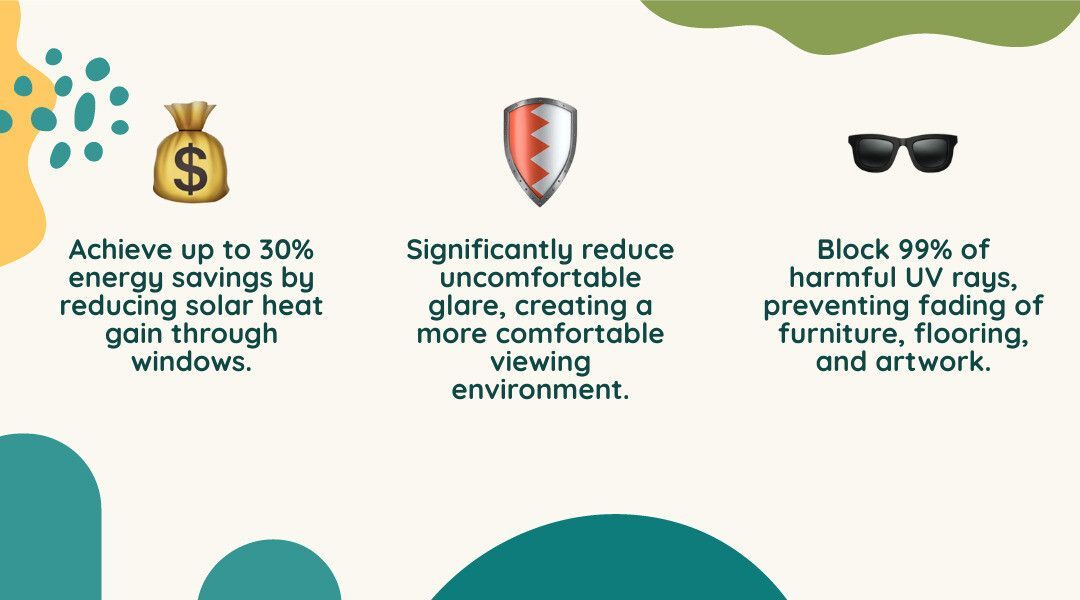
Window tint offers a breadth of benefits, from significant energy savings by reducing solar heat gain to blocking harmful UV rays that cause fading. It also dramatically cuts down on glare, making your living spaces more enjoyable.
For a clearer picture of these benefits, here’s an infographic summarizing the top three impacts of window film:
I’m Ian Noyes, heading North American Tint, a company focused on professional residential and commercial window tint. For years, I’ve worked with homeowners to help them find the best residential window tint custom to their unique needs.
Now, let’s dive deeper into why window film is a smart upgrade for your home.
Why Window Film is a Smart Upgrade for Your Home
When we talk about upgrading your home, we often think about new appliances or fresh paint. But one of the most impactful,, improvements you can make is residential window tinting. It’s a simple application that brings a breadth of benefits, changing your living space into a haven of comfort, efficiency, and protection.
The primary benefits are clear: reduced energy costs, protection from harmful UV rays, and improved comfort. In fact, residential window tinting can offer energy savings of up to 50% on costs by reducing solar heat gain. Imagine cutting down on your cooling bills while making your home feel more pleasant all year round.
Window films don’t just reduce heat; they also reduce glare. This means you can enjoy your living room without squinting at the TV or work comfortably in your home office without excessive brightness. It’s like putting sunglasses on your home – but without losing your beautiful view.
For a deeper dive into how these films can benefit your home, explore our specialized guides on Window Tinting for Home Energy Efficiency, UV Protection Window Film, and Glare Control Window Film. You can also learn more about the fundamentals of window film from sources like the Window Film Fundamentals Guide from WBDG.
Lower Energy Bills and a Greener Footprint
Did you know that a significant portion of your home’s energy budget literally flies out the window? Statistics show that 30% of all energy used to heat and cool homes in the U.S. escapes through the windows. This means a substantial amount of your hard-earned money is being spent on energy that isn’t even staying in your home.
This is where residential window film truly shines. It acts as an invisible barrier, effectively insulating your windows. In the warmer months, window films can reduce up to 78% of the sun’s heat coming through your windows. This dramatically lessens the load on your HVAC system, leading to significant reductions in cooling costs. We’ve seen instances where sunspots on the ground that were 100°F before tint were only 80°F after, even in a 78°F room! This translates directly into lower electricity bills and a more comfortable indoor temperature.
Over time, these savings add up. Residential window film can save you $1 to $2 per square foot of film installed annually, or up to 40% on overall energy costs. By making your home more energy-efficient, you’re not only saving money but also contributing to a greener planet by reducing your carbon footprint. It’s a win-win for your wallet and the environment.
Protect Your Interiors from Sun Damage
The sun, while a source of light and warmth, also emits harmful ultraviolet (UV) rays. These rays, silently streaming through your windows, are a primary culprit behind the fading and deterioration of your valuable home interiors. Think about your beautiful hardwood floors, your cherished furniture, vibrant rugs, and precious artwork – all susceptible to irreversible damage from prolonged UV exposure.
Residential window films offer an incredibly effective solution to this problem. They are designed to block an impressive amount of UV radiation. Most high-quality window films can prevent up to 99% of harmful UV rays from entering your space. This means your furniture and décor maintain their original color and integrity for much longer, preserving the beauty and value of your home.
With window film, you no longer have to sacrifice natural light to protect your belongings. You can enjoy the bright, airy ambiance of your home knowing that your interiors are shielded from the sun’s damaging effects.
Create a More Comfortable Living Space
Is there a room in your home that always feels too hot, even with the air conditioning on full blast? Do you find yourself constantly adjusting blinds or curtains to avoid annoying glare on your television or computer screen? These are common frustrations that residential window film can effectively eliminate, creating a consistently comfortable living environment throughout your entire home.
Window film works diligently to control solar heat gain, preventing those uncomfortable “hot spots” that often develop in sun-exposed areas. By rejecting up to 86% of the sun’s heat, the film helps maintain a more consistent and pleasant temperature from room to room. This means you can enjoy every corner of your home, even those previously avoided due to excessive heat.
Beyond temperature control, window film significantly reduces glare. This is particularly beneficial for rooms where you spend time watching TV, working on a computer, or reading. The reduction in harsh reflections and brightness helps prevent eyestrain and improves overall visual comfort. You can finally enjoy clear, unobstructed views outside without the annoyance of blinding sunlight, changing your home into a truly relaxing and enjoyable space.
A Guide to the Different Types of Residential Window Film
Choosing the best residential window tint for your home isn’t just about blocking the sun; it’s about tailoring solutions to your specific needs and lifestyle. Just like we have different types of windows, we also have different types of films designed for various purposes. Understanding these distinctions is key to making an informed decision.
At North American Tint, we offer a comprehensive range of residential window films, each engineered to address unique challenges and improve your home in specific ways. From films that drastically cut down on heat to those that offer improved privacy or bolster security, there’s a perfect match for every window in your home. You can explore our full range of options on our main Residential Window Film page.
Solar and Heat Control Films
These are often the first type of film homeowners consider, and for good reason. Solar and heat control films are specifically engineered to manage the sun’s energy as it enters your home. They work by rejecting a significant portion of solar heat, including infrared light, which is responsible for the feeling of warmth.
When applied to sun-facing windows, these films can dramatically lower indoor temperatures, making your air conditioning system’s job much easier. This leads directly to lower energy consumption and costs. Beyond just heat, they also block a substantial amount of harmful UV rays, protecting your interiors from fading. For more detailed information on these energy-saving solutions, check out our pages on Solar Film for Homes and Heat Control Window Film.
Privacy Films
Sometimes, you want to enjoy the natural light without feeling like you’re on display. Privacy films are designed to provide just that. These films come in various styles, including reflective (often called “one-way mirror” films) and frosted options.
Reflective films work by appearing like a mirror from the outside during the day, making it difficult for outsiders to see in, while still allowing you to see clearly out. Frosted films, on the other hand, obscure visibility completely, offering a translucent, etched-glass look that lets light in but maintains total privacy. They are perfect for bathrooms, street-facing windows, or any area where you desire seclusion without sacrificing natural light. You can learn more about how these films can improve your home’s seclusion on our Privacy Film for Homes page.
Safety and Security Films
While often overlooked, safety and security films offer an invaluable layer of protection for your home and family. These films are thicker and more durable than standard solar or privacy films, designed to hold glass together in the event of breakage.
In the face of accidental impacts, severe weather, or even attempted intrusions, safety films help prevent glass from shattering into dangerous shards, mitigating injury risks. They make your windows much more resistant to penetration, deterring intruders by making forced entry significantly more difficult and time-consuming. This added resilience provides peace of mind, knowing your home has an extra barrier against unexpected events. For robust protection against glass-related hazards, explore our Safety & Security Window Film solutions.
Finding the Best Residential Window Tint: Key Factors to Consider
Choosing the best residential window tint for your home involves more than just picking a color. It’s about understanding the technical specifications and how they align with your specific needs for comfort, energy efficiency, and aesthetics. We want to ensure you get the perfect solution that improves your home without compromise.
Understanding the Technical Specs
When evaluating window films, two key technical specifications will frequently come up: Solar Heat Gain Coefficient (SHGC) and Visible Light Transmission (VLT).
- Solar Heat Gain Coefficient (SHGC): This is a measure of how much solar radiation passes through a window and is absorbed as heat inside your home. It’s expressed as a number between 0 and 1. A lower SHGC value means less solar heat is transmitted, which is excellent for reducing cooling costs. For instance, a recommended SHGC for residential window films is typically below 0.3 to 0.5, indicating strong heat rejection.
- Visible Light Transmission (VLT): This refers to the percentage of visible light that passes through the window film. A higher VLT means more light comes through, while a lower VLT results in a darker appearance. This is where the “tint percentage” comes in: a 35% tint means 35% VLT.
Balancing these two factors is crucial. You might want significant heat rejection (low SHGC) but still desire ample natural light (higher VLT). Modern film technology has come a long way, offering films that can achieve excellent heat control without making your windows excessively dark. This means you can get the best of both worlds: a cool, comfortable home that still feels bright and open.
How to Choose the Best Residential Window Tint for Each Room
The “best” film isn’t a one-size-fits-all solution; it depends largely on the specific room, its orientation, and your personal preferences.
- Bedrooms: For privacy and glare reduction, especially if facing east or west, a slightly darker or privacy-oriented film might be ideal. If you want to sleep in, a film that significantly reduces light can be a game-changer.
- Living Rooms: These often benefit most from solar control films that reduce heat and glare, allowing for comfortable TV viewing and entertaining without constantly drawing curtains. You likely want to maintain the view, so a high VLT with good heat rejection is preferred.
- Home Offices: Glare reduction is paramount here to prevent eyestrain on computer screens. A film that balances light and heat control can create a productive and comfortable workspace.
- Sunrooms/Florida Rooms: These areas typically experience the most intense sun exposure and heat buildup. High-performance solar films with very low SHGC values are often recommended to make these spaces usable and enjoyable even on the hottest days.
Considering the specific needs of each room allows us to recommend the most effective and aesthetically pleasing film solution for your entire home.
Impact on Natural Light and Views
One of the most common concerns we hear from homeowners is, “Will window tint make my house dark?” It’s a valid question, and the answer is: not necessarily! Modern film technology has advanced significantly. While older tints might have had a heavy, dark appearance, today’s high-quality films are designed to provide superior performance without sacrificing natural light or obstructing your view.
Think of it like wearing sunglasses. When you put on a good pair of sunglasses, your vision isn’t distorted or completely blacked out; rather, harsh glare is reduced, colors appear richer, and your eyes feel more comfortable. Window film works in a similar way for your home. Films with advanced properties can block a significant amount of heat and UV rays while maintaining remarkable clarity. You still get to enjoy your beautiful outdoor views, but with added comfort and protection.
The goal is to improve your living space, not diminish it. We can select films that reduce glare and heat, allowing you to keep your blinds open and enjoy the natural light without the discomfort or worry of fading interiors. It’s about finding that perfect balance where your home feels brighter, cooler, and more inviting, all while preserving the open, airy feel you love.
Professional vs. DIY Installation: Why Expertise Matters
The allure of a DIY project can be strong, especially with the promise of saving money. However, when it comes to installing residential window tint, we strongly advocate for professional installation. While some small, static-cling films might seem manageable for a weekend project, the reality for high-performance, adhesive-backed window films on your home’s valuable windows is vastly different. The quality of the coating is only as good as its application.
Professional installation ensures optimal performance, longevity, and importantly, protects your existing window warranties. We understand the nuances of different window types and film applications, guaranteeing a flawless finish and long-term satisfaction. For a deeper understanding of the installation process, you can visit our Window Tinting Installation page.
The Risks of DIY: Bubbles, Peeling, and Damage
Attempting to install window film yourself, especially on larger residential windows, comes with a host of potential pitfalls. We’ve seen it all, from frustrating air bubbles and unsightly creases to peeling edges and contaminated film surfaces. Common DIY errors include:
- Bubbles and Streaks: Trapped air and water pockets are notoriously difficult to remove without the right tools and technique, leading to an unprofessional, mottled appearance.
- Peeling Edges: Improper cleaning or trimming can lead to the film lifting and peeling prematurely, negating its benefits and requiring costly re-application.
- Scratches and Contamination: Dust, dirt, or even tiny debris can get trapped between the film and the glass, creating permanent imperfections. Using improper squeegees or cutting tools can also scratch the film or even your windows.
- Uneven Cuts: Achieving perfectly straight, precise cuts around window frames is much harder than it looks, often resulting in jagged edges that detract from your home’s aesthetic.
- Wasted Film: It’s common for DIYers to use significantly more film than estimated due to mistakes, increasing costs and frustration.
In short, while DIY might seem cheaper upfront, the potential for wasted materials, poor results, and the need for professional correction often makes it a false economy.
Protecting Your Windows and Warranty
Perhaps the most critical reason to choose professional installation, especially for homes with dual-pane windows, is to protect your existing window warranties. Many homeowners are unaware that incorrect window film application can void their window manufacturer’s warranty.
Dual-pane windows are designed with a sealed air gap (or gas fill) between two panes of glass, which provides insulation. Applying certain types of film to the interior surface of dual-pane windows can lead to increased thermal stress. This happens because the film absorbs more solar energy, causing the inner pane to heat up disproportionately. This heat buildup can, in rare cases, lead to seal failure between the panes, resulting in condensation between the glass layers, or even thermal shock and cracking.
Window manufacturers are very specific about what can be applied to their products without voiding the warranty. A professional installer understands these nuances and knows which films are compatible with different glass types and window constructions. If you have dual-pane windows, we always recommend consulting your window manufacturer directly about their warranty policies regarding window film, or entrusting the job to a professional who can select and install a warranty-safe film. While some exterior films exist that mitigate this risk for dual-pane windows, their durability and application considerations differ. Our expertise ensures that your home improvement improves, rather than compromises, your existing investments.
Frequently Asked Questions about Home Window Tinting
We often get asked a lot of great questions about residential window tinting. Here, we’ve compiled some of the most common inquiries to give you a clearer picture of what to expect once your new window film is installed.
How do I clean and maintain tinted windows?
Maintaining your newly tinted windows is straightforward, but it requires a gentle touch to ensure the film’s longevity and clarity. Here are our best practices for cleaning:
- Wait 30 Days: It’s crucial to allow a 30-day curing period after installation before cleaning your tinted windows. This gives the adhesive ample time to fully bond to the glass, preventing any shifting or bubbling.
- Soft is Best: Always use a soft cloth, sponge, or rubber squeegee for cleaning. Avoid abrasive materials like stiff brushes, scouring pads, or paper towels, which can scratch the film.
- Ammonia-Free Cleaners: Opt for mild, ammonia-free cleaning solutions. Many standard glass cleaners contain ammonia, which can degrade the film over time. A simple solution of mild dish soap and water works wonderfully.
- Spray and Wipe: Spray the cleaning solution liberally onto the film and wipe gently from top to bottom. For stubborn spots, a little more solution and gentle rubbing should do the trick.
- Avoid Sharp Objects: Never use razor blades, knives, or any sharp instruments on your tinted windows, as these will permanently damage the film.
By following these simple steps, your residential window tint will remain pristine and perform optimally for years to come.
Can you see through tinted windows at night?
This is a very common question, and the answer depends on the type of film and the lighting conditions.
Most residential window films that offer daytime privacy (like reflective or “one-way mirror” films) work based on a light differential. During the day, when it’s brighter outside than inside, the film reflects light away from your home, making it difficult for people to see in. You, however, can see clearly out, much like wearing a pair of sunglasses.
At night, the dynamic reverses. If your interior lights are on and it’s dark outside, the inside becomes brighter than the outside. This causes the film to lose its reflective quality from the exterior, meaning people outside can see into your home. The film might appear darker from the outside, but it won’t offer privacy.
For true 24/7 privacy, even at night with lights on, you would need to consider a frosted or opaque decorative film. However, these films also significantly reduce visibility out of the window, so they are typically used in areas like bathrooms or specific windows where an unobstructed view isn’t a priority. For most living spaces, we find that homeowners simply close their blinds or curtains at night, just as they would with untinted windows.
How long does residential window film last?
The lifespan of residential window film is one of its most attractive features, as it’s designed for long-term performance. With professional installation and proper maintenance, high-quality residential window films can last throughout the course of home ownership, frequently surpassing 20 years.
The durability of the film is backed by robust manufacturer warranties. For instance, many interior solar films for homes come with a limited lifetime warranty, covering issues like peeling, bubbling, cracking, and fading. This provides homeowners with significant peace of mind, knowing their investment is protected for decades.
The key to achieving this impressive lifespan lies in the quality of the film itself and, as we’ve discussed, the expertise of the installation. Professional application ensures the film adheres correctly, minimizes the risk of defects, and maximizes its intended performance. When you choose a reputable film and a certified installer, you’re investing in a solution that will continue to provide comfort, energy savings, and protection for a very long time.
Transform Your Home with the Right Window Film
Residential window tinting is more than just an aesthetic upgrade; it’s a smart, long-term investment in your home’s comfort, energy efficiency, and protection. From significantly lowering your energy bills and safeguarding your cherished interiors from harmful UV rays to enhancing privacy and bolstering security, the benefits are clear and tangible.
We believe that every homeowner deserves a living space that is comfortable, efficient, and protected. At North American Tint, we’re dedicated to helping you achieve just that. Our expertise lies in guiding you through the selection process, ensuring you choose the best residential window tint custom to your unique needs, and then providing the professional installation that guarantees optimal performance and longevity.
Don’t let excessive heat, glare, or fading interiors detract from your home’s appeal. Take the first step towards a more comfortable and energy-efficient living environment. Explore our Solar Film solutions to learn more about how we can help you harness the power of the sun to your advantage. For a professional consultation and to find the perfect window film for your home, contact our St. Augustine Residential Window Tinting team. We look forward to helping you transform your home.