

Why Exterior Window Film Heat Control Matters for Florida Homes
Exterior window film heat control is a specialized window tinting solution applied to the outer glass surface of your windows to block solar heat before it enters your home. Here’s what you need to know:
Quick Answer:
- What it is: Window film installed on the outside surface of glass
- How it works: Reflects up to 78% of solar heat away from windows before it penetrates
- Best for: Skylights, hard-to-reach windows, and homes with intense sun exposure
- Key benefits: Superior heat rejection, lower cooling costs, 99% UV protection, and reduced glare
- Why choose exterior over interior: Blocks heat at the source and reduces thermal stress on multi-pane glass
If you’re a Florida homeowner, you know the struggle with intense sunlight. Certain rooms become unbearable, your AC runs constantly, hot spots persist, energy bills climb, and your furniture fades. The culprit is solar heat pouring through your windows. Research shows that 30% of all energy used to cool homes is lost through windows.
While traditional solutions like curtains block your view and interior films let heat penetrate the glass first, exterior window film heat solutions take a different approach. They stop solar energy at the first point of contact, reflecting heat away before it ever enters your home’s glass.
This guide covers how exterior film differs from interior, when it’s the right choice, what performance metrics matter, and how to maintain your investment.
At North American Tint, we’ve spent years helping homeowners across SE Georgia and NE Florida solve their exterior window film heat challenges. Our team provides professional consultation and expert installation to find the best film solution for your home, ensuring lasting comfort and energy savings.
Why Exterior Film is the Ultimate Solution for Heat
Living in Florida means dealing with relentless sunshine. While those blue skies are beautiful, they can transform your home into an uncomfortably hot space. This is where exterior window film heat solutions make all the difference by stopping solar heat before it ever reaches your living spaces.
Exterior vs. Interior Film: A Crucial Difference
Where you apply window film matters. Exterior window film heat solutions are applied to the outer glass surface (surface #1), which fundamentally changes how effectively your windows reject heat.
With interior film, solar energy passes through the glass first, heating it up and radiating that heat indoors before the film can block what’s left. The glass becomes a heat radiator.
Exterior film works differently. It reflects solar energy before it touches your glass, keeping the window cooler and preventing heat from entering your home. It’s like applying sunscreen before you go outside.
This external approach also reduces thermal stress . By reflecting heat from the outside, exterior film is a safer choice for modern double-pane, Low-E, or laminated glass. Our films are engineered to withstand Florida’s weather for long-term, durable protection.
Learn more about solar window film.
Top Benefits of Exterior Window Film for Heat Control
Choosing exterior window film heat control delivers benefits that extend far beyond just cooler rooms.
Superior heat rejection is the primary benefit. These films can reduce up to 78% of solar heat, with some premium options blocking up to 81% of Total Solar Energy Rejected (TSER). The difference is immediate, turning unbearable rooms into comfortable living spaces.
Energy efficiency naturally follows. With less heat gain, your AC system runs less, leading to significant savings on utility bills. Our films help maintain consistent indoor temperatures, reducing the strain on your HVAC system.
UV protection is another critical advantage. Our films block up to 99% of harmful UVA and UVB rays. This protects your family’s skin and prevents your furniture, flooring, and artwork from fading.
Glare reduction makes every room more livable. Exterior film dramatically reduces harsh glare on screens without sacrificing natural light, making rooms more comfortable all day.
A case study from Hilton Head, SC—with a climate similar to St. Augustine and Jacksonville Beach—demonstrates these real-world benefits.
See a real-world example of energy savings (PDF, 1.34 MB).
Discover all the benefits of window film.
Ideal Applications for Exterior Film
While both film types have their place, exterior window film heat solutions excel in specific situations.
Skylights face intense, direct sun, making them a prime source of heat. Exterior film stops this heat before it enters, keeping rooms cooler. It’s also ideal for large or hard-to-reach windows, like those in a two-story great room.
Your glass type also matters. Exterior film is the preferred choice for multi-pane, Low-E, or laminated glass because it reduces thermal stress on these advanced window systems, protecting your investment.
Building characteristics are key. Homes with significant sun exposure, especially on south or west-facing windows, benefit most from exterior film’s superior heat control. We’ve helped many homeowners in St. Augustine, Jacksonville Beach, and Palm Coast reclaim rooms that were once too hot to use.
While some simple applications may seem DIY-friendly, professional installation is crucial for most windows, especially complex shapes like bubble skylights, to ensure flawless, lasting results.
Explore residential window film options.
Choosing and Maintaining Your Exterior Window Film Heat Solution
Making the right choice for your home means understanding performance numbers and ensuring your investment is properly installed and cared for. Let’s walk through these considerations for bringing exterior window film heat control to your Florida home.
Decoding Performance: What the Numbers Mean
Technical specifications for window film can seem overwhelming, but understanding a few key metrics makes choosing the right one simple.
TSER (Total Solar Energy Rejected) is the most important metric for heat control. It measures the total percentage of solar energy blocked. Higher TSER means greater heat rejection and a cooler home.
VLT (Visible Light Transmission) determines how much natural light the film allows through. We help you find the perfect balance between high heat rejection and preserving the natural brightness of your home.
UV Rejection should be 99%. Our premium films provide this level of protection, shielding your family and preventing the fading of your furniture, floors, and artwork.
Color options like silver, bronze, grey, and neutral tones allow you to match your home’s style. You can choose a subtle, nearly invisible look or a more reflective finish while still getting superior heat control.
Here’s a helpful comparison of how different performance goals align:
| Goal | TSER (Total Solar Energy Rejected) | VLT (Visible Light Transmission) | UV Rejection | Appearance |
|---|---|---|---|---|
| Max Heat Rejection | Very High (e.g., 70-85%+) | Low to Medium (e.g., 15-35%) | 99% | More reflective/dark |
| Max Natural Light | Medium to High (e.g., 40-65%) | High (e.g., 50-70%+) | 99% | More neutral/clear |
| Balanced Performance | High (e.g., 60-75%) | Medium (e.g., 25-50%) | 99% | Subtle tint |
Understand heat control film results.
Installation, Durability, and Maintenance of Exterior Window Film for Heat
Investing in exterior window film heat solutions means choosing a product built to last through Florida’s demanding climate. Success lies in professional installation and simple care.
Professional installation is essential for exterior films. Proper surface preparation, precise application, and edge sealing require expertise. Our certified team at North American Tint ensures your film is installed correctly for optimal performance and warranty coverage, creating a barrier against moisture and dirt.
The durability of our exterior films is impressive. They are engineered to be weather-resistant, standing up to Florida’s sun, humidity, rain, and salty coastal air. Premium scratch-resistant coatings protect against wear and tear.
With professional installation and proper care, quality exterior window films offer a reliable, long-term lifespan , providing comfort and savings for many years.
Some limitations exist: installation is weather-dependent, requiring mild temperatures and low wind. Exterior films may also need slightly more frequent cleaning than interior ones.
Maintenance is simple. After a 30-day curing period, clean the film with standard window cleaning agents and a soft cloth or squeegee. Avoid abrasive materials and never clean the film when dry. This easy routine keeps your film performing at its best.
Why professional home window tinting matters.
Your Next Steps for a Cooler Home
We hope you now see how exterior window film heat solutions can transform your Florida home. Living in our beautiful climate shouldn’t mean battling heat, glare, and high cooling bills.
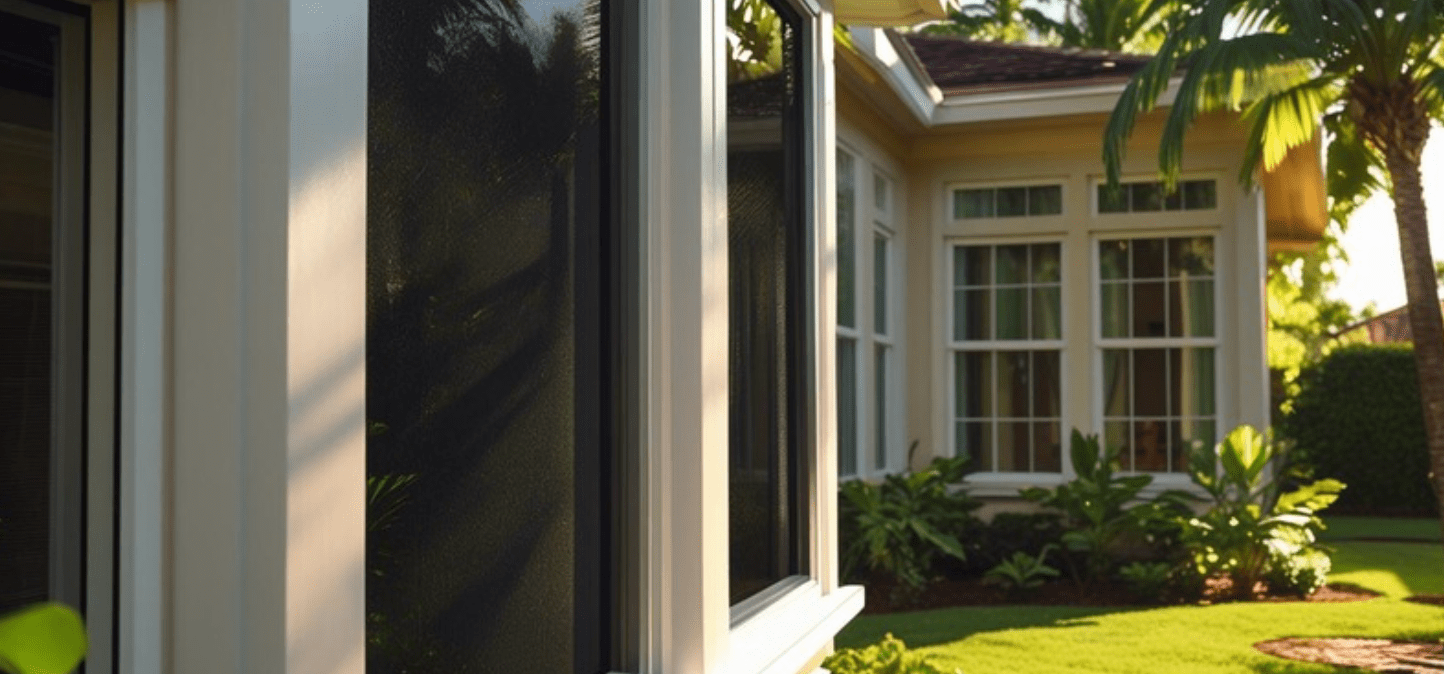
Exterior window film delivers unparalleled comfort by blocking heat at the source, significant energy savings by reducing AC strain, and robust UV protection for your family and furnishings.
The North American Tint advantage is our commitment to a complete solution. We provide a professional consultation to find the ideal film for your needs, use only premium-quality coatings engineered for Florida’s climate, and ensure expert installation for guaranteed performance and durability.
Don’t let the Florida sun dictate your comfort or energy bills. It’s time to take control with professional exterior window film heat solutions. Contact us today for a professional consultation to achieve a cooler, more comfortable, and energy-efficient home. We serve St. Augustine, Jacksonville Beach, Palm Coast, Amelia Island, St. Mary’s, GA, and surrounding areas.
Explore our residential solar film solutions.